76 Allds St, Nashua, NH 03060
By Nashua Smile Makers | July 27, 2026
Missing teeth can affect more than your appearance. They may make chewing uncomfortable, change how you speak, and reduce confidence. Dental implants can replace one tooth, several teeth, or support a full-arch restoration, but they are not right for everyone.
Many adults qualify for treatment, including some who believe they lack enough bone or are too old. The reliable answer comes from a complete examination. If you are considering dental implants in Nashua, these signs can help you understand what your dentist will evaluate.
You Have One or More Missing Teeth
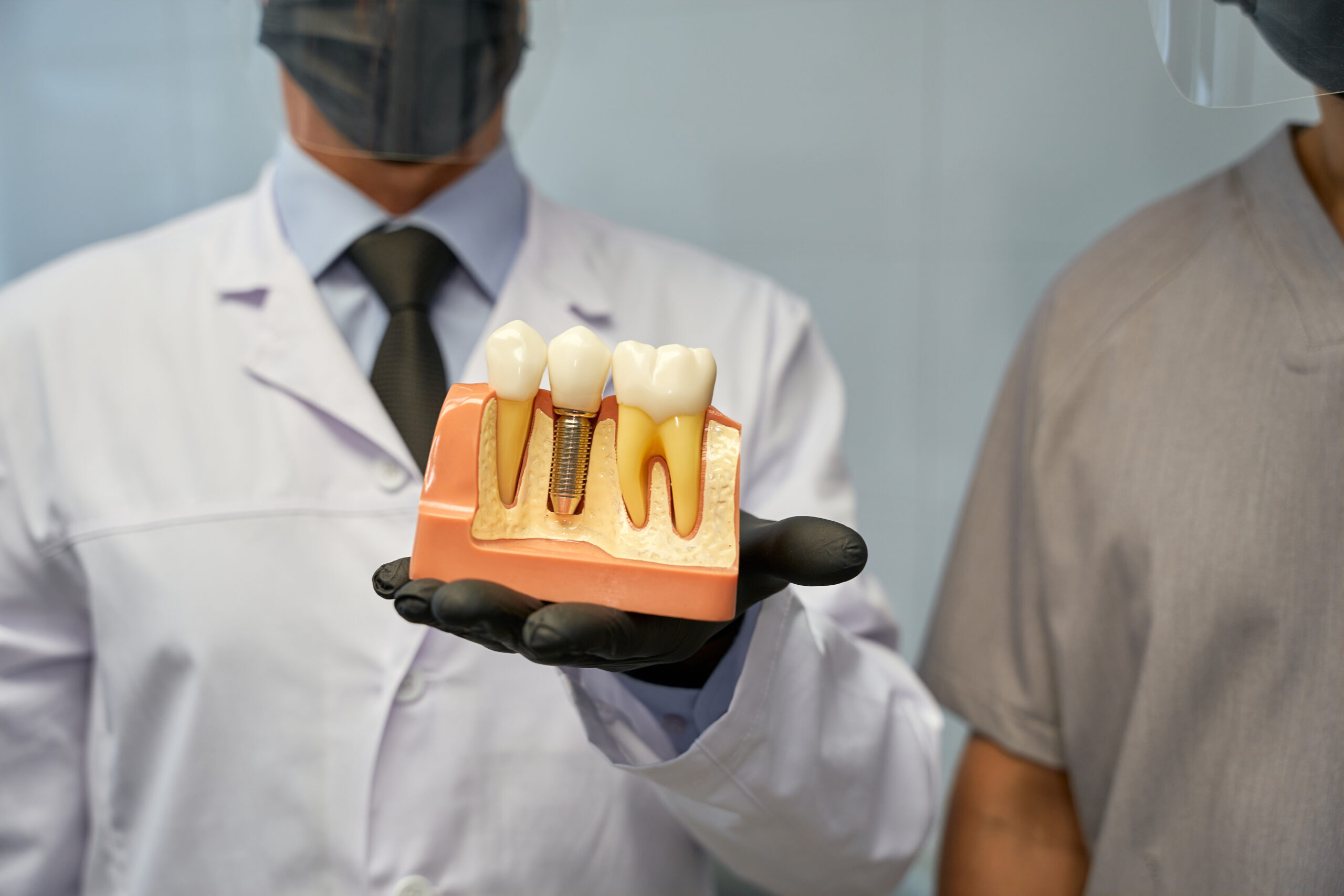
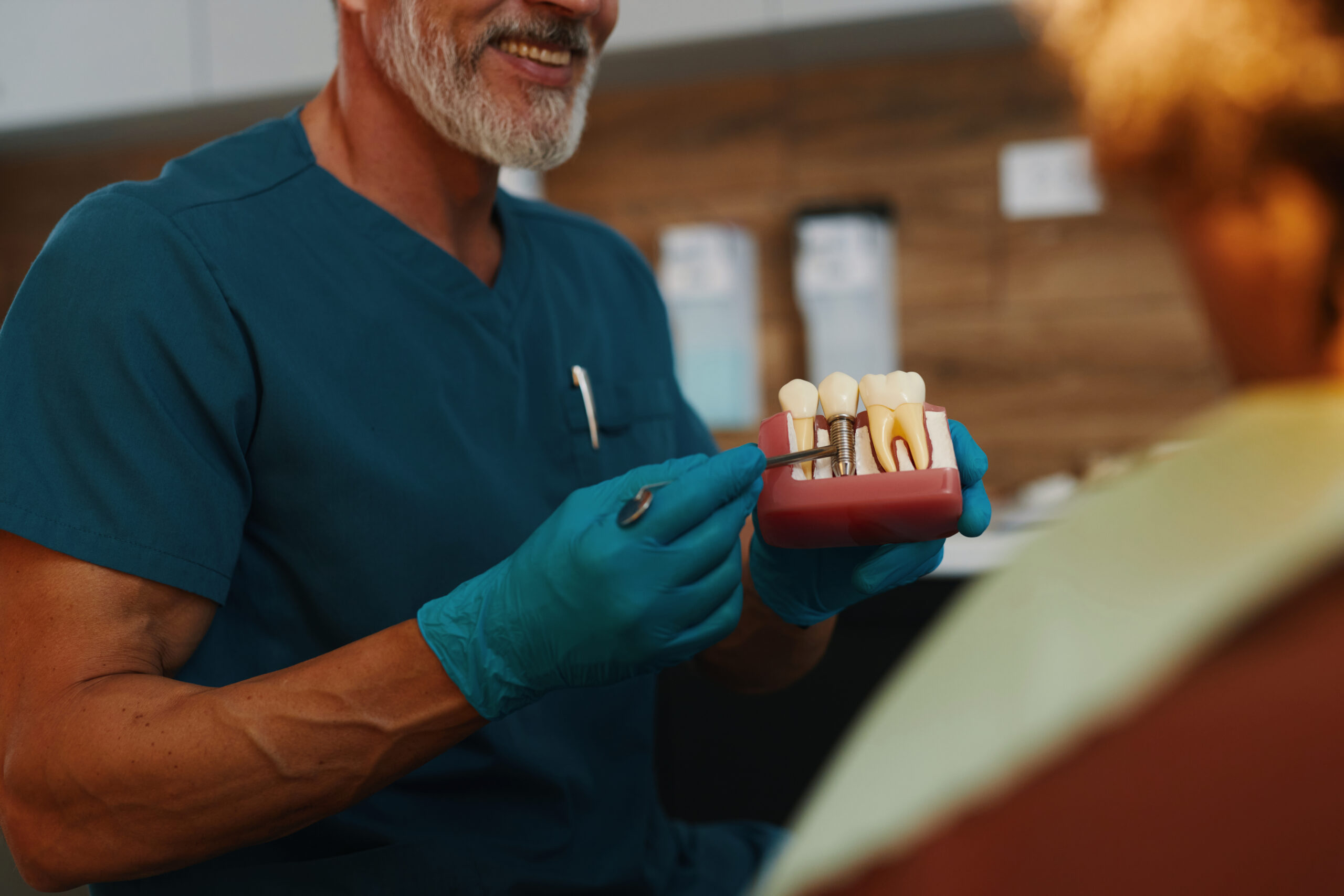
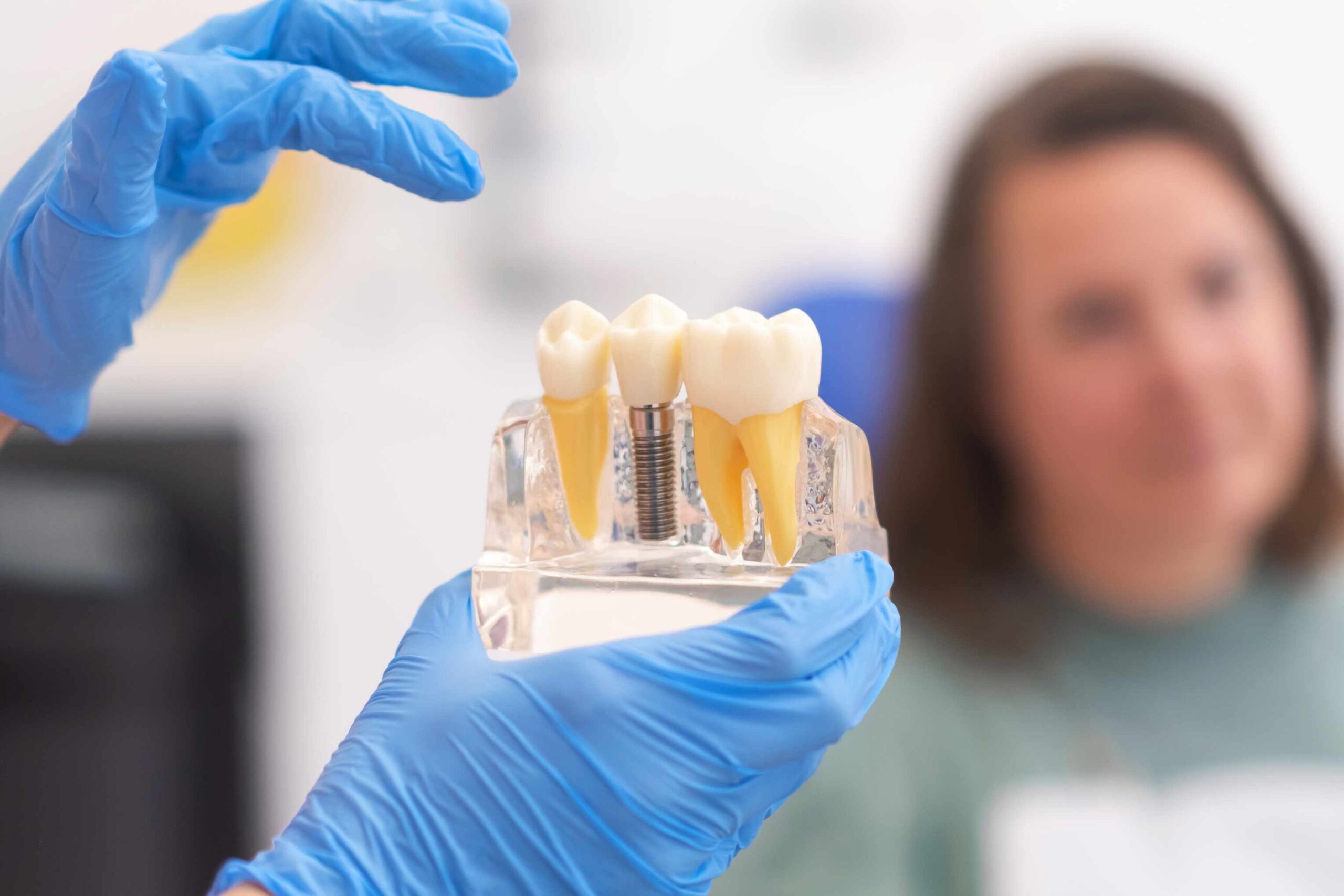
The clearest sign is having a missing tooth or a tooth that cannot be predictably restored. An implant is a small post placed in the jawbone to act as an artificial tooth root. After healing, it can support a crown, bridge, or denture.
Nashua Smile Makers provides implant treatment for patients missing a single tooth, multiple teeth, or an entire arch. Treatment begins with an examination and imaging to create a plan around your oral health.
Your Teeth and Gums Are Healthy Enough
Healthy gums matter because implants depend on the surrounding tissue and bone for support. Active gum disease should usually be treated before implant placement. Cavities, infections, or failing teeth may also need attention first.
Gum disease does not always rule out future implants. It may simply mean your mouth needs to become stable before surgery. Your dentist will assess inflammation, bone levels, and your ability to keep the area clean.
You Have Adequate Jawbone Support
An implant needs enough healthy bone for secure placement. Bone may shrink after a tooth has been missing for a long time because the area no longer receives stimulation from a tooth root.
Insufficient bone is not always a deal-breaker. Depending on the location and amount of bone loss, grafting or another preparatory procedure may make treatment possible. Imaging helps the dentist assess bone height, width, and nearby structures before recommending treatment.
You Are in Reasonably Good Overall Health
Implant placement is a surgical procedure, so your health and healing ability matter. Your dentist will review medical conditions, allergies, and medications before planning treatment.
People with diabetes may still qualify when the condition is appropriately controlled. The American Dental Association states that dental implant placement is generally safe and reliable for patients with properly controlled diabetes.
Certain osteoporosis or cancer-related bone medications may require additional evaluation because they can affect the jaw and healing. Medication-related osteonecrosis of the jaw is rare, but the risk can vary depending on the medication, dosage, treatment duration, and reason it was prescribed.
Never stop prescribed medication on your own. Your dentist may coordinate with your physician when necessary.
You Do Not Smoke, or You Are Ready to Quit
Smoking does not make implants impossible, but it can interfere with healing and increase the likelihood of complications or implant failure. Tobacco use can also contribute to gum and bone problems around implants.
Be honest about smoking, vaping, or nicotine use during your consultation. Your dentist can explain how it affects treatment and whether stopping before and during healing is recommended. This is not a morality quiz. It is about giving the implant a better chance to succeed.
You Can Commit to Daily Oral Hygiene
Implants cannot develop cavities, but the gum and bone around them can still become inflamed or infected. Good candidates should be willing to brush carefully, clean between the teeth, and attend regular dental checkups.
An implant is closer to a long-term partnership than a set-it-and-forget-it appliance. Consistent home care and professional monitoring help protect the surrounding tissues and restoration.
You Have Realistic Expectations
Dental implants are designed to look, feel, and function much like natural teeth, but treatment is usually a process rather than a single appointment. It may include extraction, grafting, implant placement, healing, and delivery of the final restoration.
The complete timeline can take several months because the implant must integrate with the jawbone before receiving its final crown, bridge, or denture. Nashua Smile Makers explains that treatment includes consultation and imaging, implant placement, a healing period, and attachment of the final restoration.
Who May Need Additional Evaluation?
Extra planning may be needed for uncontrolled gum disease, significant bone loss, poorly controlled diabetes, heavy tobacco use, healing concerns, or certain medications. These factors do not necessarily make treatment impossible.
Age alone is not the deciding factor. A healthy older adult may be a better candidate than a younger person with uncontrolled disease or poor oral hygiene. Safety, bone support, healing ability, and long-term maintenance matter more than the number on your birthday cake.
Find Out Whether Dental Implants Are Right for You
An online checklist cannot measure your bone, examine your gums, or review your medical history. Nashua Smile Makers evaluates each patient individually and develops a customized treatment plan using examination findings and imaging.
Explore your options for dental implants in Nashua and schedule an appointment to learn whether implant treatment may be suitable for your smile.
Frequently Asked Questions (FAQ’s)
1. Can I get dental implants if I have bone loss?
Possibly, because bone grafting or another preparatory treatment may help create adequate implant support.
2. Can people with diabetes receive dental implants?
Many can, especially when their diabetes is properly controlled and their oral health is stable.
3. Am I too old for dental implants?
There is no universal upper age limit because overall health, bone support, and healing ability matter more.
4. Can smokers get dental implants?
Yes, but smoking can increase healing complications and implant failure risks, so quitting may be recommended.
5. How do I know whether I qualify for dental implants?
A dental examination, imaging, medical-history review, and personalized consultation are needed to determine candidacy.