76 Allds St, Nashua, NH 03060
By Nashua Smile Makers | May 13, 2026
If you have been putting off replacing a missing tooth for months or even years, you are not alone. Fear, uncertainty about cost, and not knowing what to expect have kept millions of Americans from taking the first step. The good news is that the fix is simpler, more comfortable, and more long-lasting than most people imagine.

Dr. Salvatore Guerriero at Nashua Smile Makers has worked with patients who have put this off for years. What he hears most after that first visit is simple: they wish they had come in sooner.
The Word “Surgery” Alone Can Stop You in Your Tracks – Here’s the Truth
Let’s be honest. The moment someone says “jaw surgery,” the mind goes to hospital beds, general anesthesia, and weeks of recovery. That image alone is enough to make anyone push the appointment to “someday.”
But here is what actually happens for most patients: the procedure is done right in the dental chair. Local anesthesia numbs the area completely. Most people feel pressure, not pain. And the recovery is simple. It is usually a few days of mild soreness, not weeks of downtime. The fear is real, but the procedure is far less dramatic than it feels.
So What Exactly Is a Dental Implant?
Your natural tooth has a root that goes into your jawbone. That root holds everything stable. When a tooth goes missing, the root is affected too.
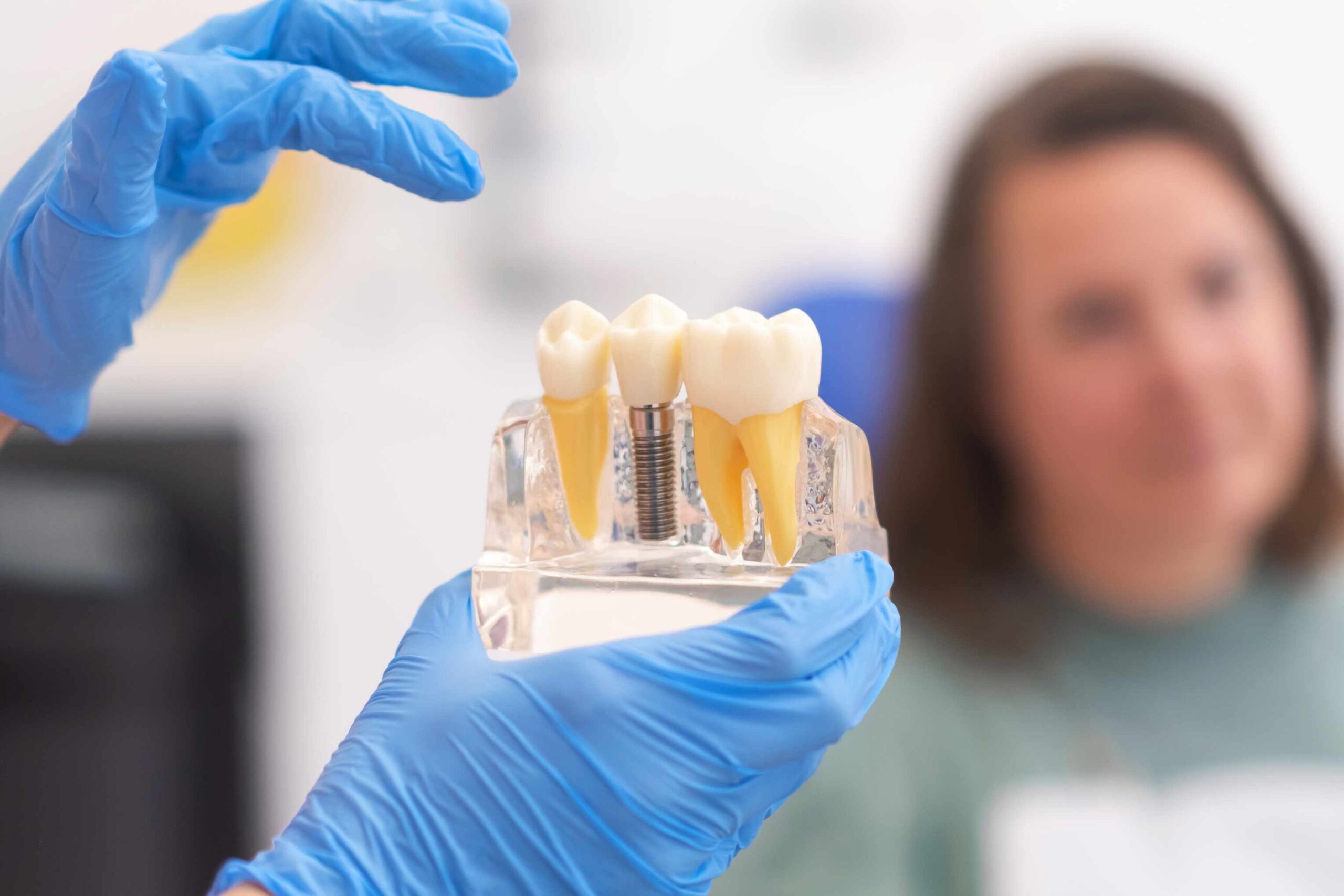
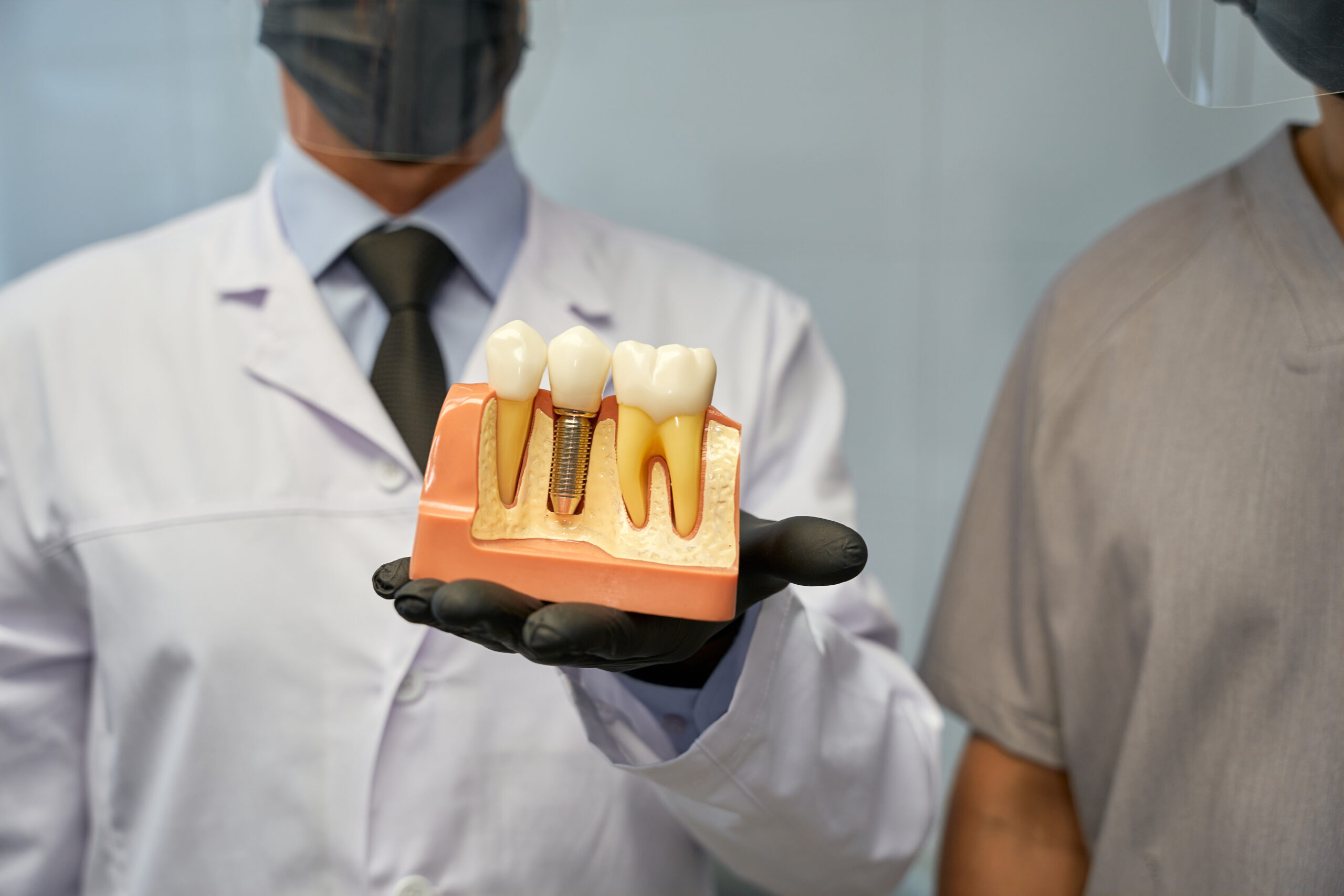
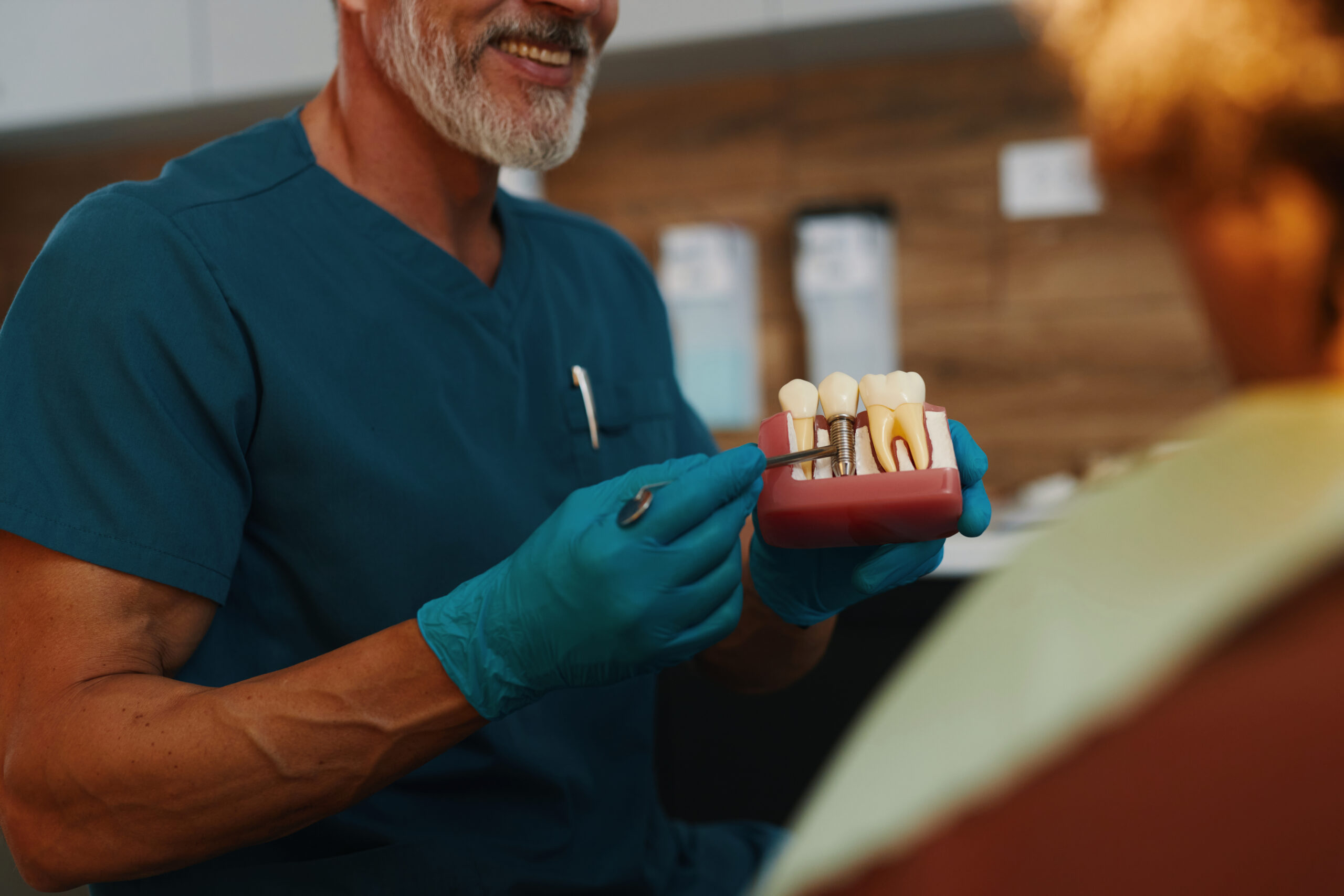
A dental implant replaces that root. It is a small titanium post, roughly the size of a screw, that our dentist places into the jawbone. Once it bonds to the bone (a process that takes a few months), a custom-made crown is placed on top. The final result looks, feels, and functions like a real tooth.
No one will understand that it is not your natural tooth. You can bite, chew, and smile the same way you always did.
What Happens to Your Jaw When You Leave a Gap Untreated
This is the part most people do not hear until it is too late, and it is important.
When a tooth is lost, the jawbone beneath it also begins to shrink. This is called bone loss, and it happens because the bone no longer has a root stimulating it. Over time, that bone loss causes:
- Shifting teeth– The teeth next to the gap begin to lean into the empty space
- Changes in bite– Your jaw alignment shifts, which can cause jaw pain and headaches
- Facial structure changes– The lower face can begin to look sunken or aged over time
- Harder future treatment– The longer you wait, the less bone is available for an implant
This is the biggest reason dentists talk about timing. Waiting does not make the decision easier; it often makes the treatment more involved. If you have been searching for “dental implants near me” and have been putting it off, this is the part worth reading twice.
Who Is a Good Candidate for Tooth Implants?
Most adults who are in reasonable health qualify for these restorations. Here is a quick breakdown:
Good candidates typically:
- Have one or more missing or failing teeth
- Have healthy gums (or gum disease that has been treated)
- Have enough jawbone to support the implant (or can receive a bone graft)
- Do not smoke, or are willing to stop during the healing period
What about seniors?
This comes up constantly, and the answer may surprise people. Age alone does not disqualify anyone. Many patients in their 60s, 70s, and even 80s have received dental implants for seniors successfully. What matters is overall health, bone density, and gum health, not the number on your birthday card.
If you have diabetes or take blood thinners, that is worth discussing with your dentist. But it does not automatically mean these permanent restorations are off the table.
How Implants Compare to Dentures and Bridges
You may have already worn a partial denture or heard about bridges. Both are valid options in certain cases. But here is how they differ from implants:
| Option | Feels Natural? | Preserves Bone? | Lifespan |
| Dentures | Sometimes | No | 5–10 years (with replacement) |
| Bridge | Mostly | No | 10–15 years |
| Implant | Yes | Yes | 20+ years with proper care |
Dentures can shift while eating or speaking. Bridges require filing down healthy neighboring teeth. Full mouth dental implants eliminate both of those issues. Implants are the only option that actually replaces the root, preserving the bone and feeling the most natural in the long term.
What to Look for in a Dental Implants Specialist?
For anyone searching for dental implants in Nashua, the most important thing to look for is a practice that takes time to explain every step before anything begins. No patient should feel pushed into a treatment plan they do not fully understand, and that philosophy should shape every consultation from the very first visit.
Our trusted dentist in Nashua will walk through the full picture with you, answer every question, and make sure nothing feels rushed or unclear before moving forward.
What Actually Causes Tooth Implant Failure And How Rarely It Occurs
When people search for bad dental implants, they usually find horror stories that represent a very small percentage of cases. The truth is that implanted teeth have a success rate above 95% when placed properly and cared for correctly.
The most common reasons for failure include:
- Smoking – It significantly reduces blood flow to the gums and slows healing
- Poor oral hygiene after placement – Infection around the implant (called peri-implantitis) is preventable with proper brushing and regular cleanings
- Uncontrolled systemic conditions – Like unmanaged diabetes
- Placing implanted teeth without enough bone – This is why bone density evaluation matters before treatment begins
Working with our dental implants specialist, who does a thorough evaluation before any placement, is the single biggest factor in a successful outcome. The consultation is not just a formality, it is the foundation of the whole treatment.
If you are looking for ‘full mouth dental implants near me’ and want to understand your specific risks, a proper in-person evaluation is the only way to get accurate answers.
You Have Waited Long Enough – Let’s Start With One Conversation
If you are somewhere in Nashua or coming from a surrounding community and have been sitting on this decision for a while, this is the sign to make the call.
The first visit is not a procedure. It is a conversation. You bring your questions, your concerns, your fears about the cost or the recovery, all of it. Dr. Salvatore Guerriero will walk you through everything, show you exactly what your situation looks like, and explain what treatment would actually involve for you. No drills at that visit. No commitments. Just answers.
You deserve a complete smile, and waiting only makes the path longer as we are proudly serving in Nashua and the surrounding areas.
Book your consultation today and take the first step toward a permanent solution you will no longer put off.
Frequently Asked Questions
Does getting a dental implant hurt during the procedure?
Most patients are surprised by how little they feel during placement. The area is fully numbed with local anesthesia before anything begins, so discomfort during the procedure is minimal. Some soreness in the days after is normal and manageable with over-the-counter pain relief.
How long does the entire dental implant process take from start to finish?
The timeline typically ranges from three to six months, depending on whether bone grafting is needed. The implant needs time to fuse with the jawbone before the crown is attached. Your dentist will walk you through a clear timeline at your consultation.
Am I too old to get dental implants?
Age alone is not a disqualifying factor. Many patients in their 60s, 70s, and 80s receive implants successfully every year. The evaluation focuses on bone density, gum health, and overall wellness, not age.
What causes a dental implant to fail?
The most common contributors are smoking, poor oral hygiene after placement, and insufficient jawbone volume before the procedure. A thorough pre-treatment evaluation greatly reduces the risk of any of these issues.
Will my dental implant look natural?
Yes. The crown placed on top of the implant is custom-made to match the shape, size, and color of your surrounding teeth. Most people cannot tell the difference between a well-placed implant and a natural tooth.
How do I care for a dental implant after it is placed?
Care for it the same way you care for your natural teeth: brush twice a day, floss daily, and keep up with regular dental cleanings. There is no special maintenance routine required.
Can I eat normally with a dental implant?
Yes, once the implant has fully healed and the crown is in place, you can eat whatever you like. Implants restore full chewing function, which is something dentures often cannot match.
What is the difference between a bone graft and an implant?
A bone graft is sometimes done before an implant when there is not enough jawbone to support the titanium post. It is a separate, preparatory step, not part of every case. Your dentist will tell you upfront if a graft is needed.
Is the consultation at the dental office free?
This varies by practice, so calling the office directly is the best way to confirm. What you can expect from a first visit is a full evaluation, time to ask questions, and a clear picture of your options, no pressure, no commitments.