76 Allds St, Nashua, NH 03060
By Nashua Smile Makers | April 16, 2026
Losing a tooth can affect more than just your smile as it impacts how you eat, speak, and feel about yourself. Whether caused by injury, decay, or other issues, a missing tooth can lower confidence and cause discomfort. While there are options like dentures and bridges, dental implants stand out as the best long-term solution. If you’re unsure about whether this solution is right for you, this blog is for you. Keep reading to discover why implants are the key to restoring both your smile and confidence.
What Dental Implants?
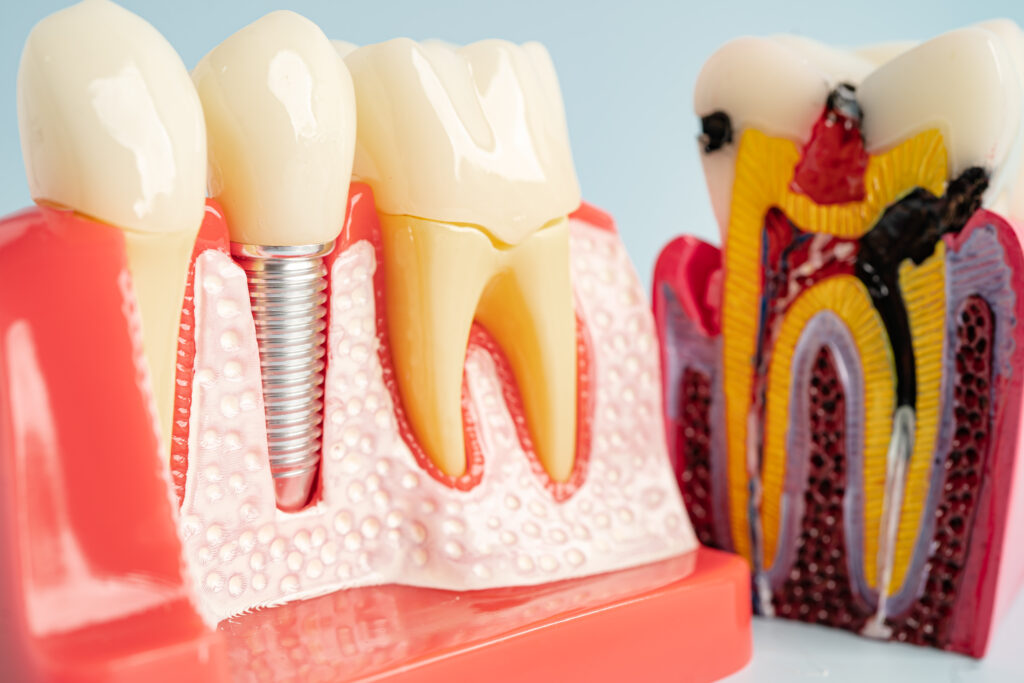
A dental implant is a permanent replacement tooth root made of titanium. This is surgically placed into your jawbone to provide a solid foundation for a replacement tooth (or crown). The key advantage is that they mimic natural teeth and are anchored in the jaw. Just like your real teeth, they act as a stable, long-lasting foundation, providing a solution that looks, feels, and functions just like your natural teeth.
Why A Titanium Post Is Specifically Used?
Titanium is used in prosthetic tooth surgery because it is biocompatible. The materials naturally bond with bone through a process called osseointegration. This process is crucial because it provides the strength and stability needed for a lasting, functional replacement.
How Soon After Tooth Loss Can I Get An Implant?
The timing for getting dental implants in Nashua varies from person to person. In some cases, a dental post is placed shortly after extraction (immediate placement), while in others, the site may need to heal first. Your oral health, bone volume, and overall healing ability influence the timing. A comprehensive evaluation helps the local dentist in determining the ideal schedule for your specific situation.
What Are The Three Components Of Prosthetic Teeth?
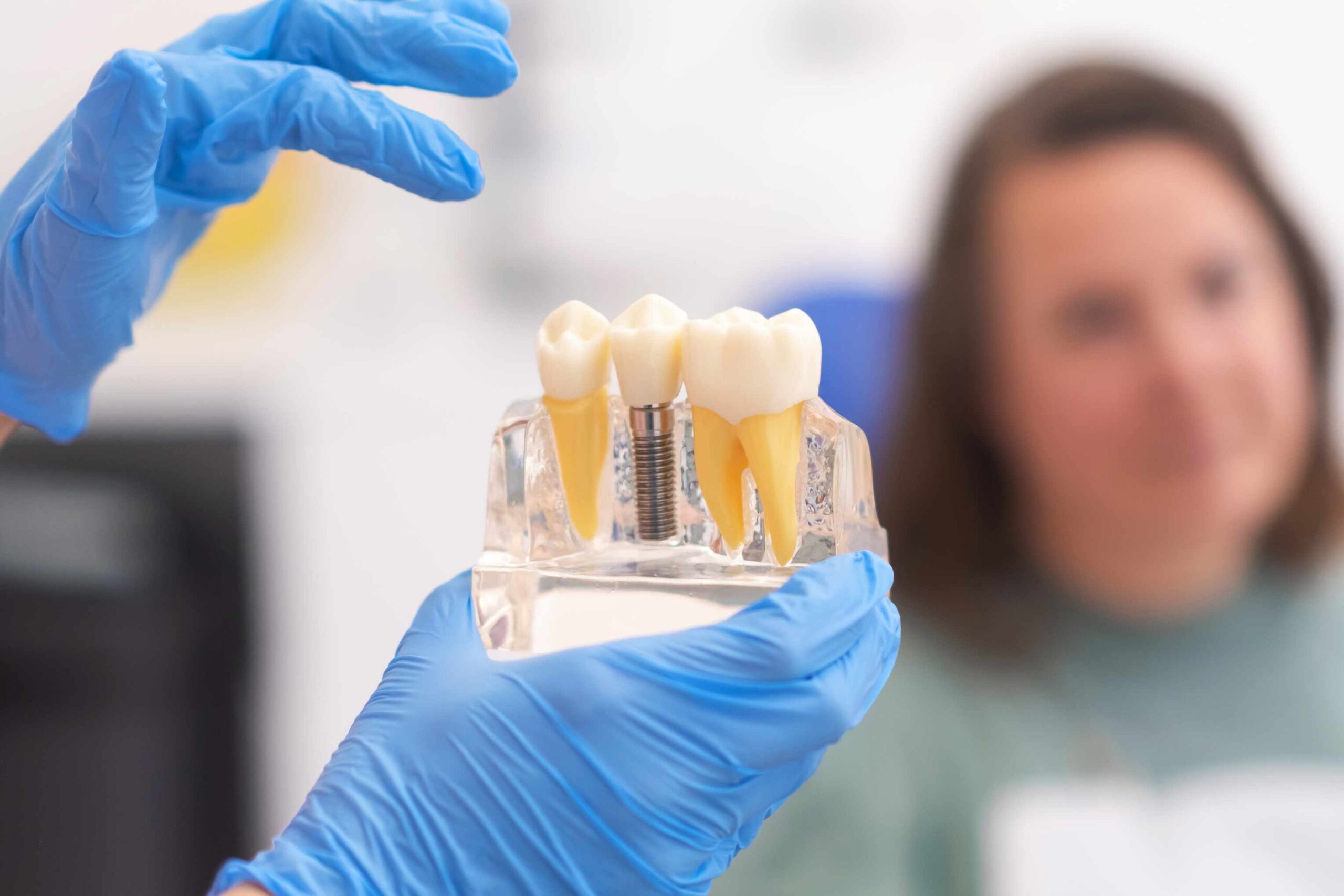
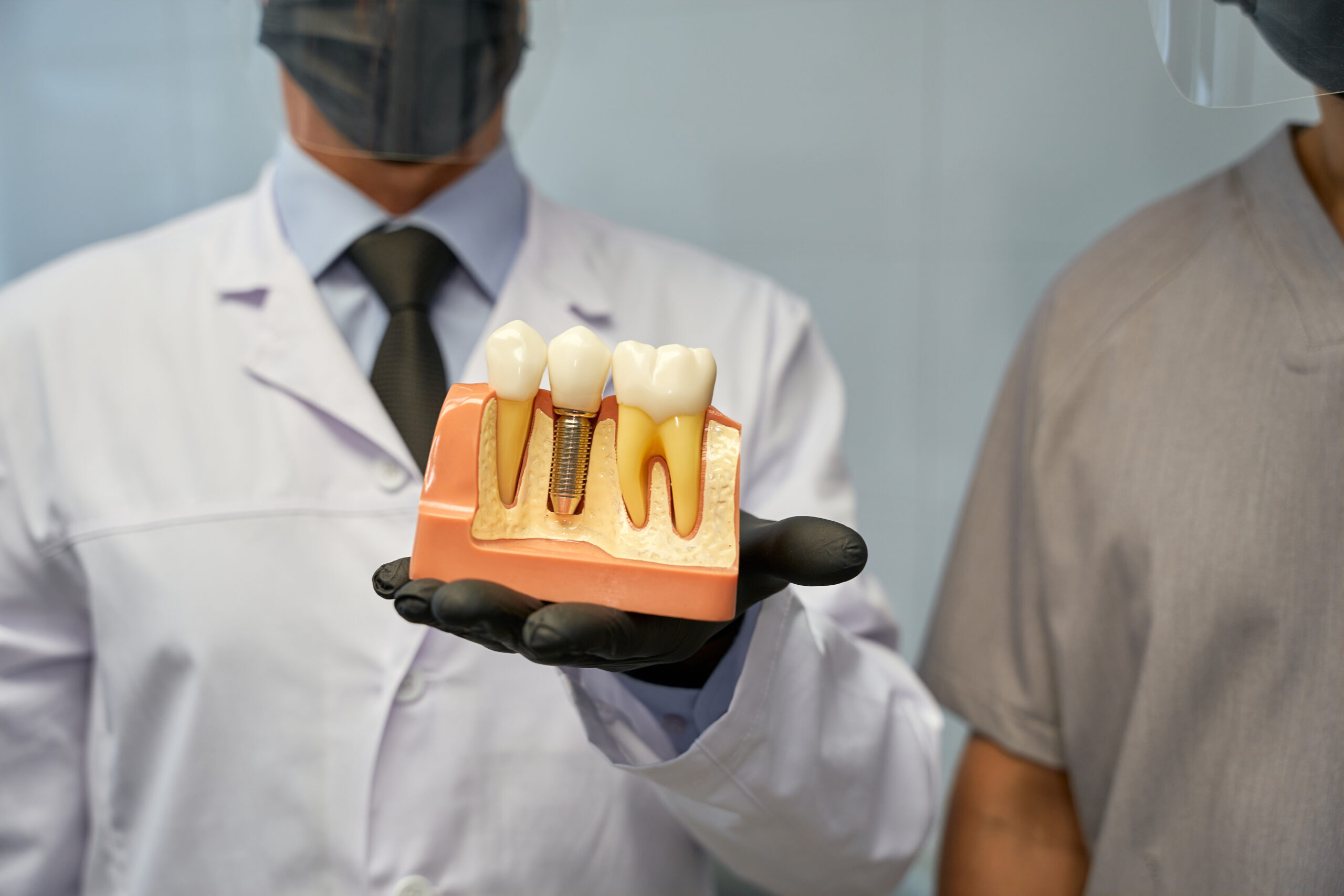
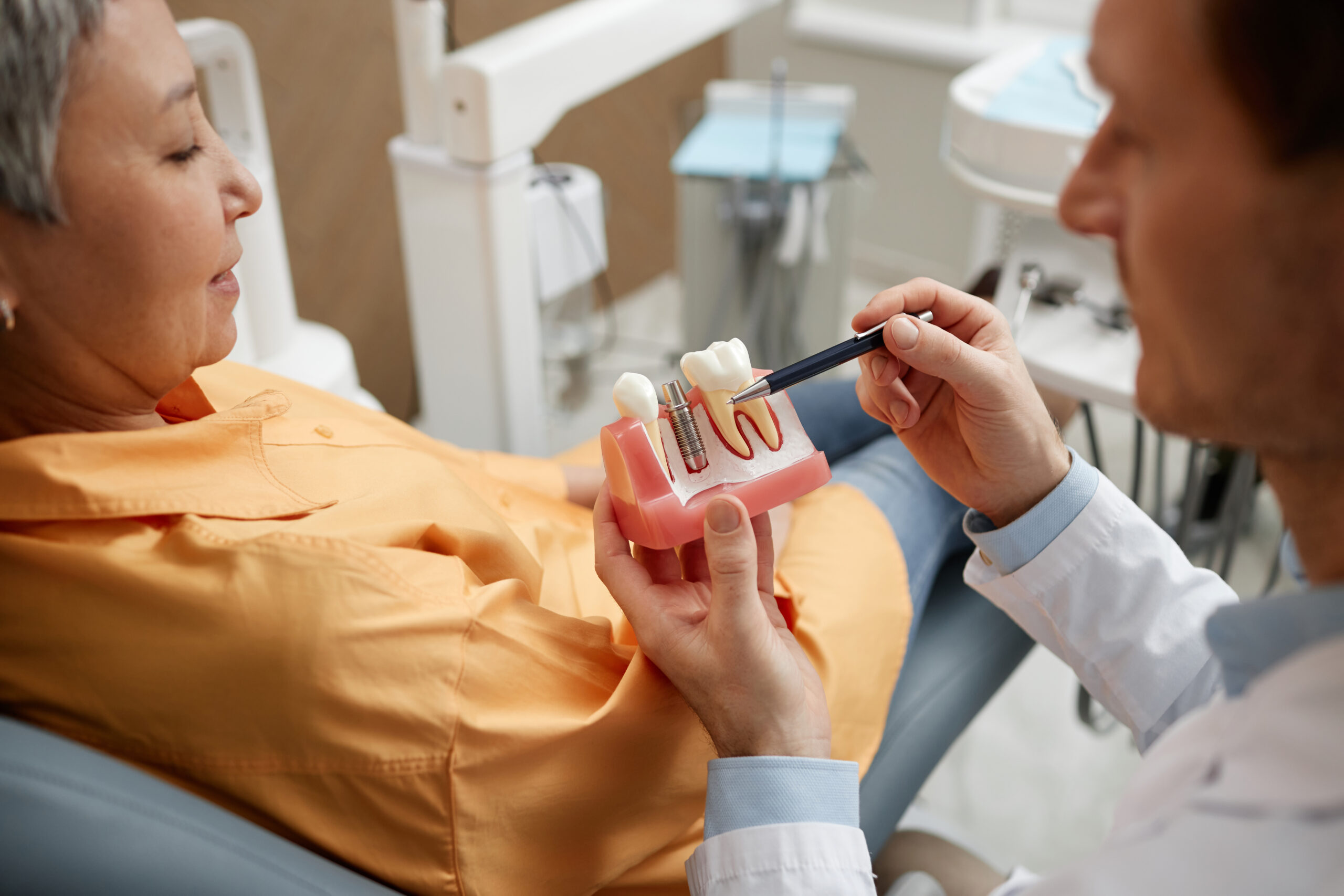
Implanted teeth consist of three main parts that work together to restore your smile. During the consultation with a dental professional in Nashua and the surrounding New Hampshire area, you’ll be given a detailed explanation. Here’s a breakdown of each component in simple terms:
1. The Titanium Post (Implant)
The titanium post is the part of the implant that is placed directly into your jawbone. It serves as the root of the tooth and anchors the replacement tooth securely. This is the first step of the process, and it involves minor surgery to embed the post in your jaw.
2. The Abutment (Connector Piece)
After the post has fully integrated with your jawbone (a process that usually takes a few months), an abutment is added to connect the post to the crown. The abutment is essentially the “link” between the dental post and the visible tooth.
3. The Crown (Replacement Tooth)
The final piece is the crown, which is custom-made to match the color and shape of your natural teeth. This crown is the part that will be visible when you smile, and it’s designed to blend seamlessly with your existing teeth.
Each of these components works together to create a strong, natural-looking replacement tooth that restores both the function and aesthetics of your smile.
The Complete Dental Implant Process Step-by-Step
Now that you know what artificial tooth roots are, let’s take a look at what you can expect from start to finish when undergoing this surgery. Here’s what you can expect:
- Consultation And Planning
The process begins with a consultation with our Nashua dentist. During this visit, the dentist will evaluate your oral health, take X-rays, and determine whether you’re a good candidate for the surgery. They’ll also discuss your goals, options, and any specific concerns you may have. This is a great time to ask questions about the procedure, recovery time, and expected outcomes.
- Placement Of The Titanium Post
Once you’ve decided to move forward, the next step is to place the titanium post. This is done under local anesthesia, so you’ll be comfortable and pain-free. The post will be carefully placed into your jawbone. After the surgery, you’ll need a few months for the post to fuse with the bone, a process called osseointegration. This is essential for the long-term success of the implant.
Timeline: This step can take anywhere from 3 to 6 months, depending on your individual healing process.
- Adding The Abutment
Once the post is fully integrated into the jawbone, the abutment is placed. This step is relatively quick and usually requires only local anesthesia. The abutment is the connector between the titanium post and the crown, and it will be visible above the gumline.
- Fitting The Crown


Finally, once the abutment is in place, Dr. Salvatore Guerriero and Dr. Salvatore Colletta at Nashua Smile Makers will take impressions of your mouth. This is to create a custom-made crown that fits perfectly with your surrounding teeth. The capped tooth will be made from durable materials like porcelain and matched to the color and size of your natural teeth.
Is Prosthetic Teeth Surgery Painful?
It’s common to worry about pain, but most patients describe the process as manageable and often less uncomfortable than expected. Local anesthesia keeps the surgical site numb during placement, and most post‑operative discomfort can be controlled with simple pain relief and proper care. Modern techniques and sedation options help keep the experience comfortable and stress‑free.
How To Take Care Of My Newly Implanted Teeth?
Taking care of your dental posts is easy and similar to caring for natural teeth. With good oral hygiene and regular check-ups, it will stay strong and functional for years. Here are some quick tips to follow:
- Brush Twice Daily: Use a soft toothbrush and fluoride toothpaste.
- Floss Every Day: Prevent plaque and food buildup.
- Use Antibacterial Mouthwash: Keep your gums and implants healthy.
- Regular Check-ups: Visit our dental professionals, Dr. Salvatore Guerriero and Dr. Salvatore Colletta at Nashua Smile Makers for cleanings and exams.
- Avoid Hard Foods: Protect your implanted tooth and crown.
- Quit Smoking: Smoking can affect healing and success.
How Do Implants Compare To Other Tooth Replacement Options?
When considering tooth replacement, you may also be considering alternatives. Let’s take a look at how implanted teeth stack up against these common options:
Dental Implants vs. Dentures
- Stability: Titanium dental posts are anchored into the jawbone, making them a permanent solution that doesn’t move. Dentures, on the other hand, can slip or shift and may require adhesives to stay in place.
- Longevity: Artificial tooth roots can last a lifetime with proper care. Dentures need to be replaced every few years due to wear and tear.
- Functionality: An implanted tooth restores full chewing ability, while false teeth can make it harder to eat certain foods comfortably.
Dental Implants vs. Bridges
- Damage To Adjacent Teeth: Bridges require the adjacent teeth to be filed down for support, while artificial tooth roots do not affect the surrounding teeth.
- Longevity: Fixed dental prosthetics last much longer than bridges, which may need to be replaced after a decade or so.
- Comfort: They are more comfortable because they are placed in the jaw, while bridges and dentures rely on the surrounding teeth or gums for support.
What Is The Success Rate?
According to clinical studies, dental implants have a 95 percent or higher success rate after 10 years. This makes this solution the most reliable long-term option for tooth replacement. In comparison, dentures and bridges can experience wear or fail over time.
I haven’t been able to see a dentist for almost 12 years, and I had some incomplete implant/crown work that had become an issue. When I was finally in a position to go back to a dentist, this office was highly recommended. Dr. Colletta was immediately reassuring and optimistic about a treatment plan to correct and finish my previous implant work, and he and his team put me at ease over the state of my teeth. Everyone at the office is friendly and helpful, and all the work I’ve had done so far has been efficient and painless. I’m so relieved to finally have a trustworthy dentist.
– T Caulkins
You don’t have to worry, as we have a good testimony, which is proof of our quality work. Check that on our Google Reviews.
Are Implant-Supported Teeth Affordable?
They are often viewed as a more expensive option compared to dentures and bridges. However, their long-term durability and effectiveness can make them a worthwhile investment in your oral health. Since prosthetic teeth last longer and require fewer replacements or repairs, many people find them more cost-effective in the long run. Moreover, the cost varies based on factors like the number of implants you need, the complexity of your case, and the location. Visit our dental office in Nashua, to get a fair idea before the procedure.
Book A Consultation With Us For A Pain-Free Implant Surgery
If you have been thinking about getting dental implants to fix your missing teeth, the first step is a simple conversation. Dr. Salvatore Guerriero and Dr. Salvatore Colletta at Nashua Smile Makers are here to help you understand the process and determine if this treatment is right for you. During your appointment, you will have the chance to ask questions, address any concerns, and discuss your options with a team committed to your comfort and care. We are proudly serving Nashua and the surrounding areas. Book your consultation today to get your implants done.
Frequently Asked Questions (FAQs)
1. Can a dental implant surgery fail after placement?
Yes, artificial tooth roots can fail due to infection, bone loss, or improper care. However, the failure rate is low, and with proper aftercare, most implants last a lifetime.
2. How long does it take to heal after an implant procedure?
Healing time after implant surgery varies, but osseointegration (bone bonding) takes about 3-6 months. Full healing can take several months, depending on individual factors like health and bone condition.
3. Are implanted teeth more comfortable than dentures?
Yes, dental implants are more comfortable than dentures because they are anchored in the jawbone, preventing slippage. Dentures can irritate gums and may require adhesives to stay in place.
4. Can prosthetic teeth be placed immediately after tooth extraction?
In many cases, it can be placed immediately after extraction, known as immediate implant placement. However, not all patients are candidates for this, so a consultation is necessary.
5. Are dental implants suitable for older adults?
Yes, artificial tooth roots are suitable for older adults as long as they have healthy gums and adequate bone density. Age is not a barrier, and implants often provide better long-term results than alternatives.