76 Allds St, Nashua, NH 03060
By Nashua Smile Makers | March 6, 2026
Dental implants have become the go-to solution for replacing missing teeth, offering both aesthetic and functional benefits. If you’ve chosen this restoration to restore your smile, you’re already making a fantastic choice. However, even the best treatments can face challenges.
If you’re living in Nashua, where Summer Stroll and a leisure time in Mine Falls Park keep locals active year-round, the last thing you want is to worry about the health of your new smile. So, what happens when your implant-supported teeth don’t work as expected?
Let’s explore the causes of implant failure and how to save your investment.
Why Do Dental Implants Treatment Fail?
Prosthetic teeth are made to be durable and long-lasting, but several factors can contribute to complications. Here are the top reasons your restorative might fail:
1. Infection And Gum Disease
One of the most common reasons is infection. When bacteria get trapped around the surgical site, they can cause peri-implantitis, a gum infection that weakens the bone and causes your dental work to fail. Regular cleaning and checkups are essential to prevent gum disease and infection after the procedure.
2. Proper Placement Issues
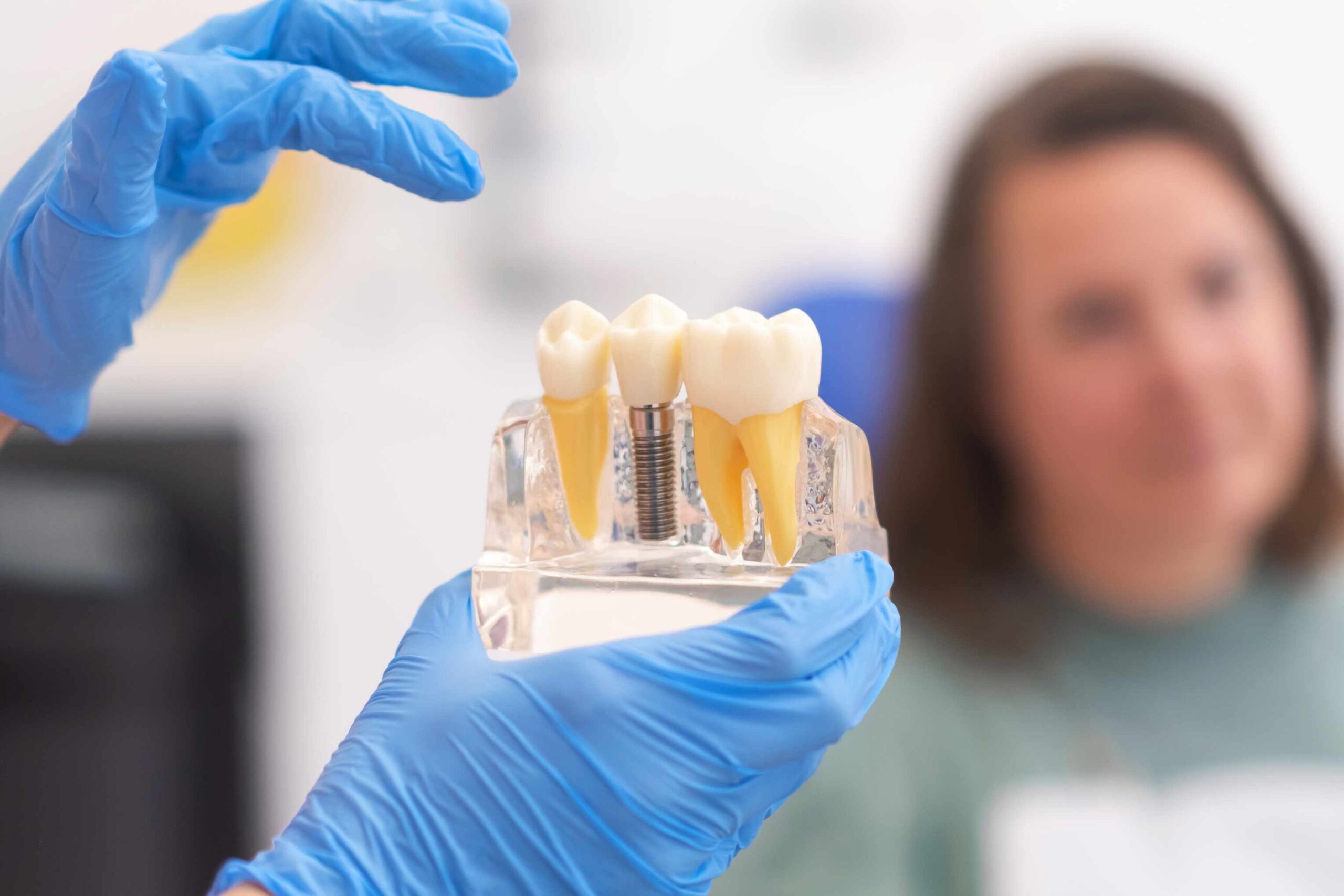
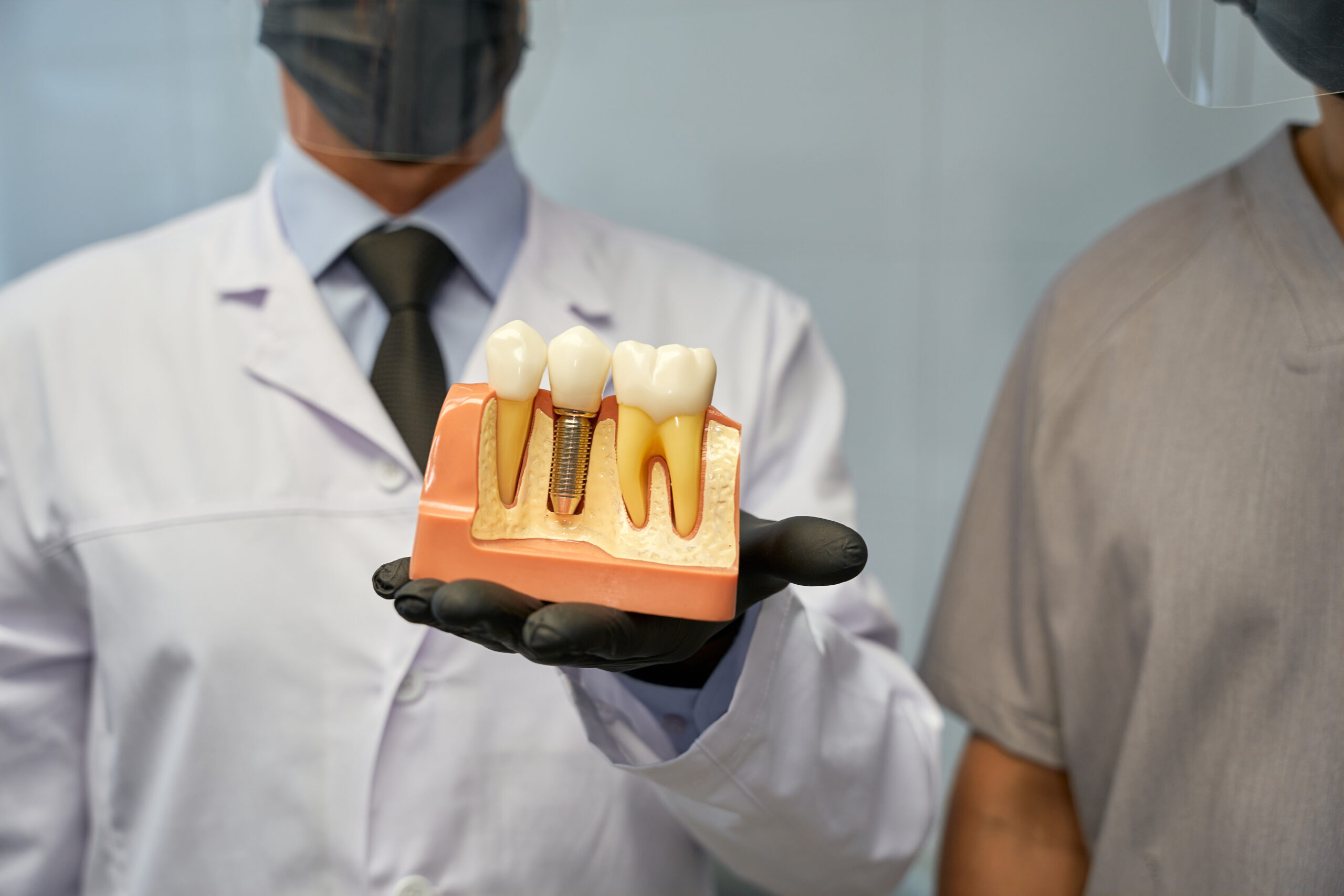
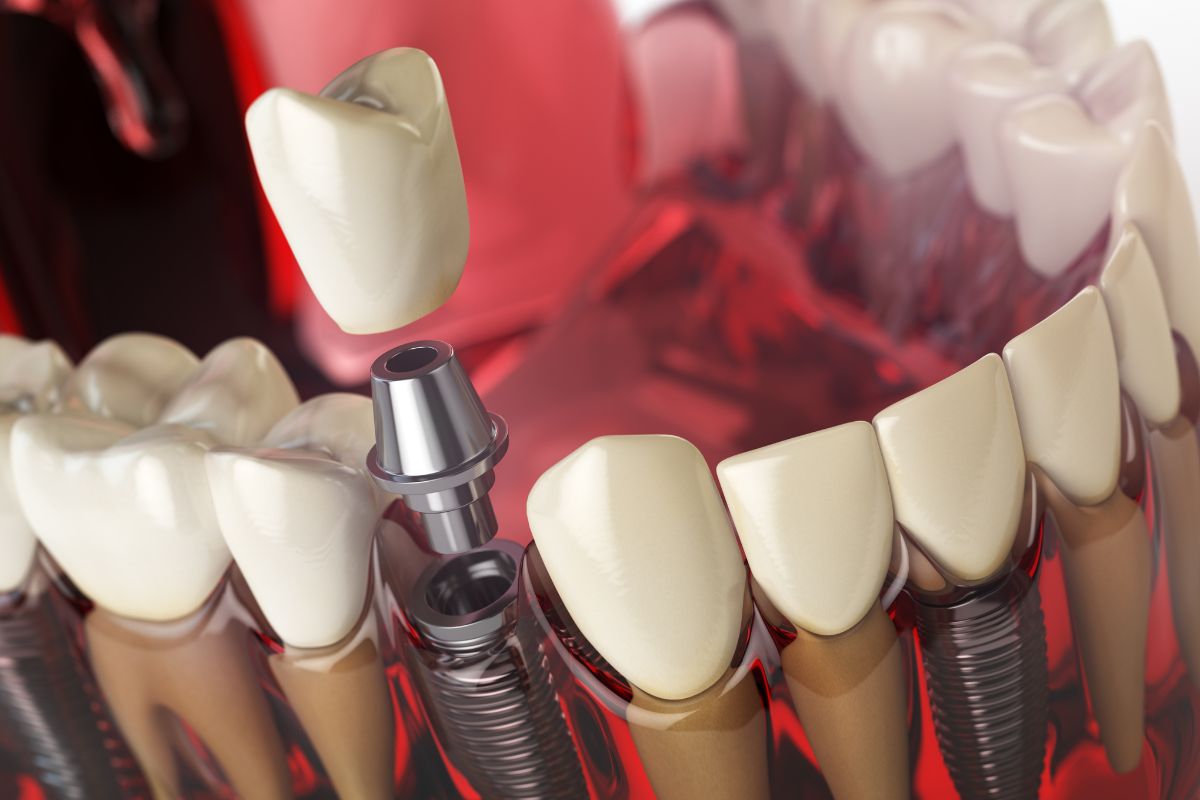
If the fixture is not placed in the right position, it can lead to complications later. Insufficient bone density in the jaw is a key factor that may prevent the titanium post from fusing properly with the bone. This process, known as osseointegration, is crucial for the treatment’s long-term success. In some cases, bone grafting may be needed before the surgery to ensure proper integration.
3. Overloading The Implant
If the dental post is placed under excessive pressure, it can result in instability. Patients must wait for proper integration of the post to the jawbone before applying normal biting pressure. Eating hard foods or grinding your teeth can increase the risk of complications.
4. Poor Oral Hygiene
Good oral hygiene is essential to the success of long-term tooth replacement with dental implants. If a patient does not maintain regular brushing and flossing, bacteria can accumulate around the surgical site. This could potentially lead to gum infection and bone loss if not addressed promptly.
How Can You Save Your Implanted Teeth Before It’s Too Late?
If you’re experiencing discomfort, instability, or pain with your dental post, there’s no need to panic. There are several ways to address potential issues early and prevent failure:
- Consult With A Trusted Implant Specialist
If you notice any unusual symptoms, like swelling, discomfort, or signs of infection, it’s crucial to consult an implant specialist in Nashua immediately. They can examine the restoration, take X-rays, and determine the extent of the problem. Early intervention can often save your investment before it becomes an irreversible issue.
- Follow Post-Surgery Instructions Carefully
Proper care and patience after the prosthetic teeth surgery are crucial for success. A local Nashua dental professional will provide specific instructions on diet, cleaning, and follow-up care. Failing to follow these guidelines can result in complications.
- Maintain Good Oral Hygiene
Consistent brushing and flossing are vital for your artificial tooth’s health. Ensure you follow your dentist’s instructions for cleaning and avoid using hard-bristle toothbrushes, which can cause irritation. Regular dental visits also allow for professional cleaning and inspection to spot early issues before they become serious.
Why Negligence To Follow Aftercare Instructions Leads To Implant Loss?
Aftercare is crucial to ensuring the longevity of your implanted dental prostheses. Many patients mistakenly assume that once it is placed, the work is done. However, poor oral hygiene or failure to follow post-treatment instructions can dramatically increase the risk of failure.
Maintaining a clean environment around the surgical site, avoiding hard foods for a period of time, and attending follow-up appointments are all vital to success. Skipping these steps can allow plaque buildup to accumulate and affect the healing process, leading to infection and eventual implant loss.
What Are The Warning Signs Your Oral Implants Are Failing?
While artificial tooth roots are generally reliable, they do come with risks. Knowing the signs of instability can help you identify problems early:
- Pain Or Discomfort: Persistent pain or discomfort in the surgical area, even after the initial healing period.
- Swelling And Redness: Swelling and inflammation around the gumline may indicate infection or a problem with the dental work.
- Dental Post’s Movement: If your fixture feels loose or shifts when you touch it, it may be due to bone loss or failed integration.
If you notice these symptoms, it’s crucial to visit our dental office in Nashua for an assessment immediately to prevent further complications.
How To Prevent Fixed Dental Prosthetic Failure?
Preventing any complications with your restorative procedure begins with proper aftercare. Here are some preventive measures to ensure the longevity of your new tooth:
- Periodic Oral Checkups: Work with a professional who can assess your oral health and dental work to spot issues before they worsen.
- Avoid Smoking: Smoking hinders healing and can increase the risk of infection. Quitting can improve the chances of the success of your dental restoration.
- Use A Night Guard If You Grind Your Teeth: Bruxism can damage your dental work over time. Wearing a night guard can protect your artificial tooth roots and surrounding teeth.
Can You Save Your Artificial Tooth Roots If It Starts To Fail?
Any implants concern can be corrected if addressed early. If you notice symptoms of infection or your dental post starts feeling loose, visiting anearby dental care provider in Nashua for an immediate evaluation is crucial. Treatment may involve cleaning the infected area and antibiotics. In some cases, additional procedures such as bone grafting or placement of a new titanium post. Timely intervention can ensure that your oral prostheses stay secure for a lifetime.
How Ongoing Monitoring Contributes To Long-Term Success?
Successfully implanted teeth require long-term care and monitoring. The surgery isn’t a “set it and forget it” solution. Instead, it needs regular checkups to ensure its health and function. During these visits, professionals will examine the surgical site for signs of infection, bone loss, or any complications that could affect its stability.
In Nashua, where the outdoor lifestyle in areas like Mine Falls Park and the Nashua River Rail Trail provides plenty of adventure, it’s easy to forget about oral health.
But as the seasons change, staying on top of routine exams becomes even more critical for your oral health. Cold weather can impact gum health and increase the risk of tooth sensitivity, which can indirectly affect your treatment’s success. Moreover, the changing climate can lead to dryness or cold-related discomfort, making it crucial to keep your gums and teeth moisturized and healthy. Saliva production can be affected by these changes, and reduced moisture in your mouth can increase the risk of infections, which can lead to complications.
Scheduling regular checkups ensures your dental work stays in top shape, regardless of your daily lifestyle.
Protect Your Implanted Tooth With The Right Ongoing Care
Dental implants represent a transformative investment in your oral health, confidence, and quality of life—delivering lifelong benefits when properly cared for. Early detection and maintenance are essential to mitigate risks and ensure enduring success, far beyond a simple restoration. At Nashua Smile Makers, we combine personalized care, advanced techniques, and compassionate support to help you enjoy your smile. Our dental specialists in Nashua are trained in life‑changing treatments like dental implants, crowns, bridges, emergency dentistry, and more, and are committed to maintaining your oral health for a lifetime. Regular check‑ups and proactive care help detect early signs of issues, ensure long‑term stability, and keep your smile looking and functioning its best.
If you’ve noticed discomfort, swelling, or changes around your implant or if you simply want the assurance that comes with professional oversight, we’re here! Schedule an appointment today and let us help you protect your investment in a healthy, confident smile.
Frequently Asked Questions (FAQs)
1. How long does it take for dental implants to fully heal?
Implanted teeth surgery usually requires 3 to 6 months for complete healing. During this time, the dental post fuses with the bone, a process known as osseointegration, ensuring stability and durability.
2. Can an implanted tooth last a lifetime?
With proper care, they can last for decades. Regular visits to your dentist and maintaining good oral hygiene play a critical role in extending the lifespan of your dental work.
3. Are there risks involved with getting a dental implant?
As with any surgical procedure, prosthetic teeth carry some risks, including infection, nerve damage, or failure. These risks are minimal when performed by an trained implant specialist.
4. How to maintain artificial tooth roots to avoid complications?
To keep your permanent dental work healthy, brush twice daily, floss, and use mouthwash regularly. Schedule routine checkups to ensure your artificial tooth roots are in optimal condition and detect any potential issues early.
5. Can a dental implant be replaced if it fails?
Yes, if your dental restoration fails, it can be replaced with a new one. The process involves addressing the underlying cause of failure and providing additional support to ensure successful integration.