76 Allds St, Nashua, NH 03060
By Nashua Smile Makers | September 11, 2026
Swollen gums can make eating, brushing, and even speaking uncomfortable. While mild swelling may sometimes result from temporary irritation, it can also indicate an underlying oral health problem that needs professional attention. Understanding what causes gum swelling and how to manage it can help protect your gums and teeth.
What Causes Gum Swelling?
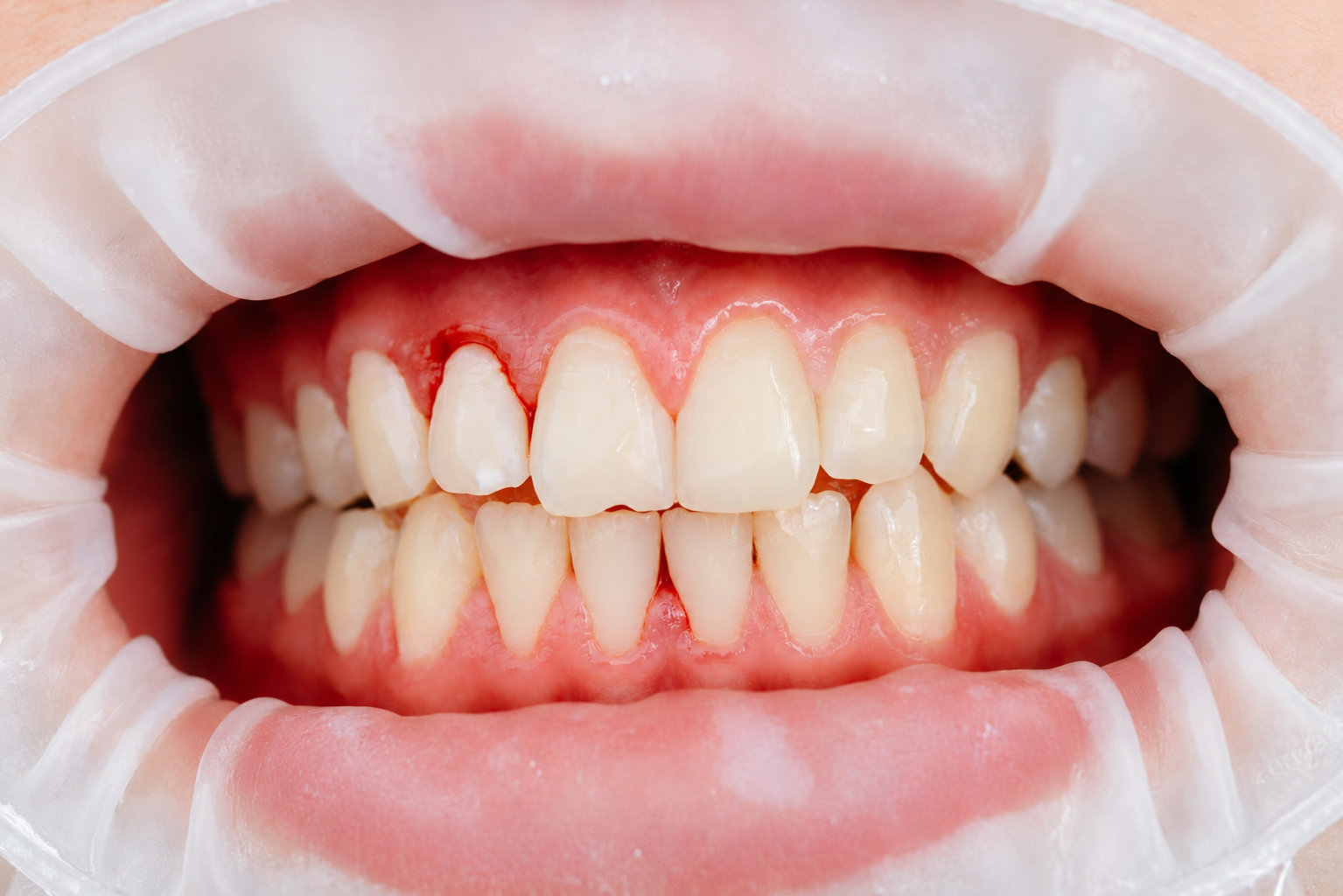
Gum swelling can develop for several reasons. One of the most common is plaque buildup along the gumline. When plaque is not removed effectively, it can irritate the gums and contribute to redness, tenderness, bleeding, and swelling. Gum disease may progress if the inflammation is not addressed.
Other possible causes include food trapped between teeth, brushing too aggressively, irritation from dental appliances, hormonal changes, certain medications, or an infection around a tooth. Some medications and medical conditions can also contribute to enlarged or swollen gum tissue.
Simple Ways to Reduce Gum Swelling
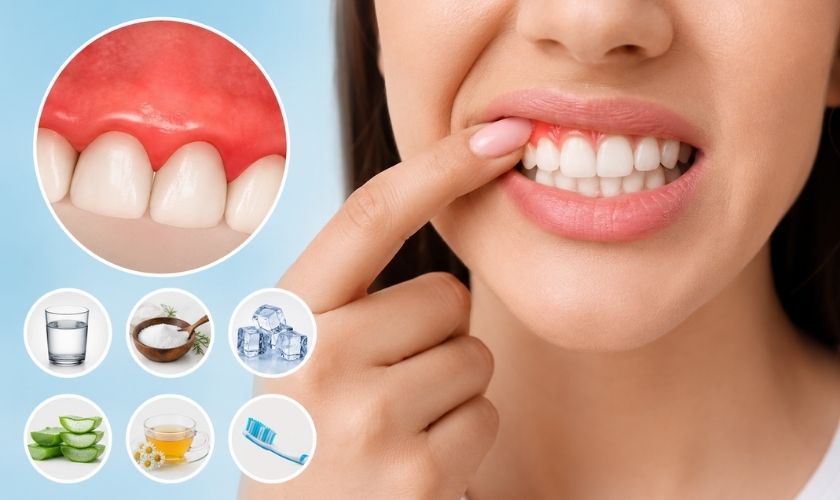
Good daily oral hygiene is an important first step. Brush your teeth gently twice a day using fluoride toothpaste and clean between your teeth every day with floss or interdental brushes. Removing plaque and trapped food can help reduce irritation and support healthier gums.
A warm saltwater rinse may also provide temporary comfort and help keep the affected area clean. Avoid tobacco products and try not to irritate swollen areas with very hard or sharp foods.
If swelling follows an injury or dental procedure, a cold compress placed on the outside of the cheek may help reduce discomfort. However, home remedies should not replace an examination when swelling persists, worsens, or repeatedly returns.
When Gum Swelling May Need Professional Treatment
Persistent swelling can be a sign that more than simple irritation is involved. Periodontal disease treatment may be recommended when gum inflammation is associated with deeper pockets, plaque, tartar, or infection below the gumline. Depending on the condition, professional cleaning or scaling and root planing may be necessary.
A dental examination can help determine whether the swelling is related to gum disease, a tooth infection, an impacted tooth, or another concern. Treatment is based on the underlying cause rather than simply treating the swelling itself.
It is also important not to assume that antibiotics are always necessary. The American Dental Association recommends dental treatment rather than antibiotics for many localized dental conditions, with antibiotics generally considered when systemic symptoms such as fever or malaise are present.
When to Seek Urgent Dental Care
Some symptoms require prompt evaluation. Seek urgent dental attention if you have severe or rapidly worsening swelling, significant pain, a loose tooth, pus, fever, or swelling extending into the face. Difficulty swallowing or breathing requires immediate medical attention.
Even when the swelling is mild, persistent or recurring symptoms should not be ignored. Early evaluation can help identify gum disease or another dental problem before it becomes more difficult to manage.
Keeping Your Gums Healthy
Preventing future swelling starts with consistent oral care. Brush twice daily, clean between your teeth, maintain regular dental visits, and follow professional recommendations for cleanings. A balanced diet and avoiding tobacco can also support healthier gums.
At Nashua Smile Makers, patients can receive personalized guidance based on their gum and overall oral health. If swelling does not improve with careful home care or you notice other concerning symptoms, Contact Us to discuss the next appropriate step.
Regular dental care can make it easier to identify gum problems early and maintain comfortable, healthy gums. When professional evaluation or treatment is needed, visit our dental office for an assessment tailored to your needs.
Frequently Asked Questions
- What is the fastest way to reduce gum swelling?
Gentle brushing, daily cleaning between teeth, and warm saltwater rinses may help with mild irritation. Persistent swelling needs a dental examination to identify and treat its underlying cause.
- Can gum swelling go away on its own?
Mild irritation may improve after better oral hygiene, but swelling caused by gum disease, infection, or another dental problem may persist without appropriate treatment.
- Does salt water help swollen gums?
A warm saltwater rinse can help keep the mouth clean and may provide temporary relief from irritated gums. It should complement, not replace, regular brushing and interdental cleaning.
- Can plaque cause swollen gums?
Yes. Plaque contains bacteria that can irritate gum tissue. When plaque remains around the gumline, it can contribute to inflammation, redness, bleeding, and swelling.
- Should I brush swollen gums?
Yes, but brush gently with a soft-bristled toothbrush. Avoiding the swollen area completely can allow more plaque to accumulate and may make inflammation worse.
- When is swollen gum tissue a serious concern?
Swelling accompanied by severe pain, fever, pus, facial swelling, loose teeth, or rapidly worsening symptoms should be evaluated promptly because it may indicate a more significant infection.
- Can gum disease cause recurring swelling?
Yes. Gum disease can cause ongoing or recurring inflammation, especially when plaque and tartar remain around or below the gumline. Professional evaluation can help determine the appropriate treatment.