76 Allds St, Nashua, NH 03060
By Nashua Smile Makers | July 9, 2026
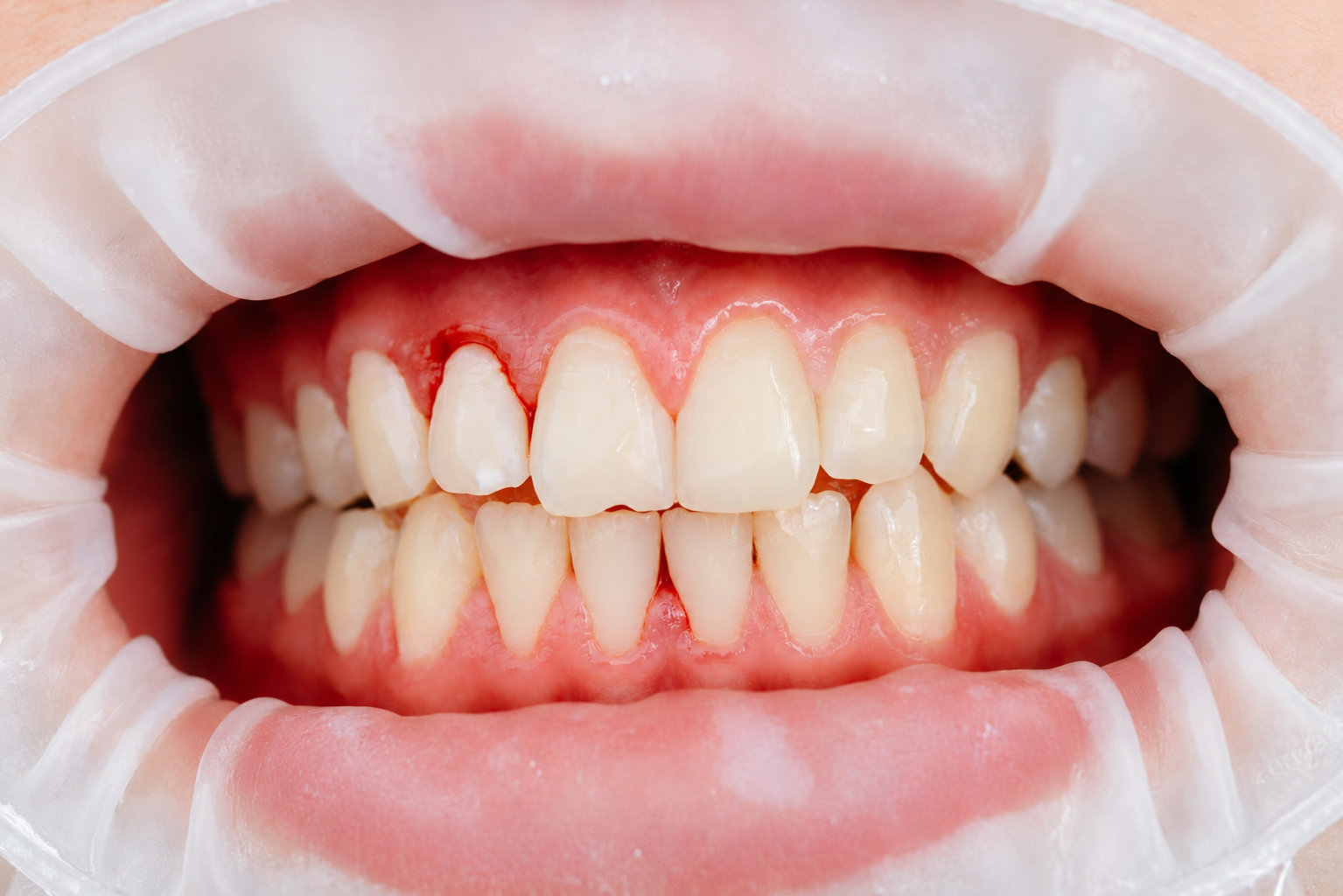
Noticing blood while brushing or flossing may feel harmless at first. Many people think it happens because they brushed too hard or skipped flossing for a few days.
But the truth is healthy gums should not bleed regularly.
Bleeding gums can be an early sign of gum inflammation, plaque buildup, or gum disease. The sooner you act, the easier it is to protect your teeth, gums, and overall oral health.
Why Are My Gums Bleeding?
The most common reason is plaque buildup near the gumline. Plaque is a sticky layer of bacteria that forms on your teeth every day. If it is not removed properly, it can harden into tartar.
Once tartar forms, brushing at home is not enough. It needs to be removed during a professional dental cleaning.
Common causes of bleeding gums include:
- Plaque and tartar buildup
- Gingivitis
- Periodontal disease
- Brushing too hard
- Not flossing regularly
- Smoking or tobacco use
- Dry mouth
- Hormonal changes
- Certain medications
- Diabetes or other health conditions
If your gums bleed once, it may be temporary irritation. If it keeps happening, it is a warning sign.
Why Bleeding Gums Should Not Be Ignored
Bleeding gums are often one of the first signs of gingivitis, the earliest stage of gum disease.
At this stage, you may notice:
- Red or swollen gums
- Tenderness near the gumline
- Bleeding while brushing or flossing
- Bad breath that keeps coming back
The good news is that gingivitis can often be reversed with professional dental care and better home habits.
The problem starts when gum disease is left untreated. It can move deeper below the gumline and affect the bone that supports your teeth.
This may lead to:
- Gum recession
- Loose teeth
- Persistent bad breath
- Pain while chewing
- Tooth loss in advanced cases
According to the CDC, about 4 in 10 U.S. adults aged 30 and older have some level of periodontitis.
That means gum disease is common, but it should never be ignored.
Why This Matters for Nashua Families
Life in Nashua can get busy with work, school, commuting, family routines, and long New England winters. Many people delay dental visits unless they feel pain.
But gum disease can develop quietly.
That is why bleeding gums should be taken seriously, even if there is no pain. Whether you live near downtown Nashua, commute along Route 3, or manage a busy family schedule, regular dental cleanings can help catch gum problems early.
A dental cleaning does more than polish your smile. It helps:
- Remove hardened tartar
- Check gum health
- Spot early signs of gum disease.
- Reduce bacteria around the gumline.
- Prevent bigger dental problems later.
The Mouth and Body Connection
Your gums are connected to your overall health.
Gum disease has been linked with health concerns such as diabetes and heart-related conditions. This does not mean bleeding gums directly cause these problems, but long-term inflammation in the mouth should be taken seriously.
For people with diabetes, gum health is even more important. High blood sugar can make gum infections harder to control, and gum inflammation may make blood sugar management more difficult.
Your mouth can often show early signs that your body needs attention.
When Should You See a Dentist?
You should schedule a dental visit if you notice:
- Gums bleeding more than once
- Red, swollen, or tender gums
- Bad breath that does not go away
- Gums pulling away from the teeth.
- Loose teeth
- Pain while chewing
- Sensitivity near the gumline
- A change in your bite
Even if the bleeding stops for a few days, the cause may still be there.
What Happens During a Gum Checkup?
A gum evaluation is simple and comfortable.
Your dental team may:
- Check your gum tissue.
- Measure spaces between teeth and gums
- Look for inflammation or gum recession.
- Check for plaque and tartar buildup.
- Recommend X-rays if bone support needs to be reviewed.
If the problem is mild, a dental cleaning and better home care may be enough.
If periodontal disease is present, deeper cleaning may be recommended. This helps remove bacteria and tartar from below the gumline and gives the gums a healthier place to heal.
How to Keep Your Gums Healthy
To reduce the risk of bleeding gums:
- Brush twice a day with a soft-bristled toothbrush.
- Floss or clean between your teeth daily
- Drink water often
- Avoid tobacco
- Replace your toothbrush regularly.
- Do not ignore bleeding.
- Keep up with routine dental cleanings.
Small daily habits can prevent major dental problems.
Take the First Step Toward Healthier Gums
Bleeding gums are not something to overlook. They are your body’s way of saying your gums need attention.
Early care can help reduce inflammation, protect your teeth, improve your breath, and support long-term oral health.
Nashua Smile Makers provides dental cleanings, exams, and periodontal disease treatment for patients who want to protect their gums before the problem becomes more serious.
FAQs
1. Are bleeding gums normal?
No. Gums may bleed once from irritation, but regular bleeding is not normal. It may be a sign of plaque buildup, gingivitis, or gum disease.
2. Can bleeding gums go away on their own?
Mild irritation may improve with better brushing and flossing. But if tartar or gum disease is present, professional dental care is needed.
3. What is the best treatment for bleeding gums?
Treatment depends on the cause. Many patients need a professional dental cleaning. If gum disease is present, deeper periodontal treatment may be recommended.
4. Can gum disease affect overall health?
Yes. Gum disease has been linked with diabetes and heart-related concerns. Healthy gums support better oral and overall wellness.
5. When should I see a dentist for bleeding gums?
You should see a dentist if your gums bleed more than once, feel swollen or tender, or if you notice bad breath, gum recession, or loose teeth.