76 Allds St, Nashua, NH 03060
By Nashua Smile Makers | May 21, 2026
Sleep apnea is a medical condition that disrupts breathing during sleep and is closely linked to fatigue, poor concentration, and an increased risk of cardiovascular problems. For patients diagnosed with obstructive sleep apnea (OSA), treatment typically involves either CPAP therapy or oral appliance therapy.
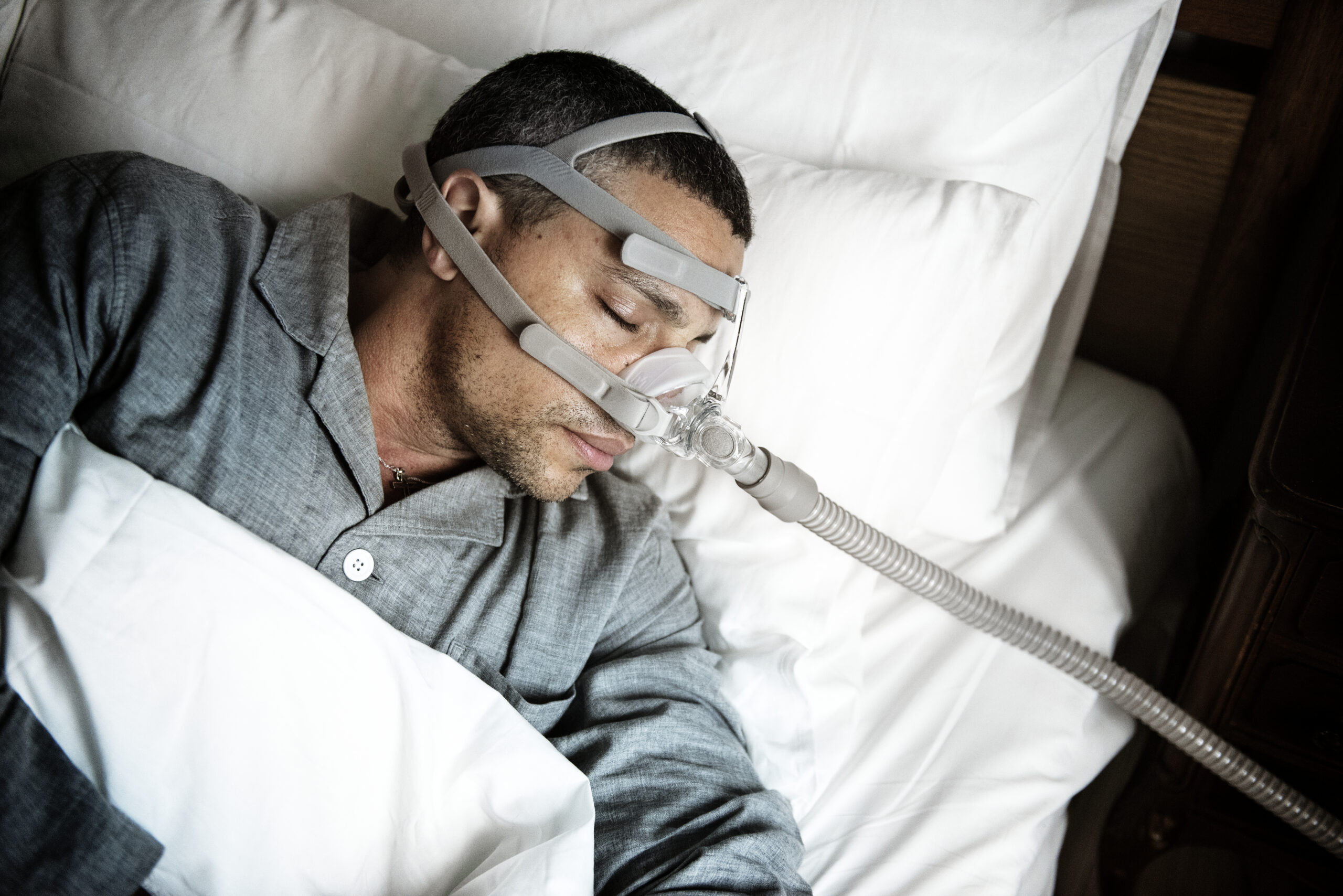
CPAP (Continuous Positive Airway Pressure) therapy remains the standard treatment for moderate to severe sleep apnea and is highly effective when used consistently. However, some patients find the mask, airflow pressure, or nightly setup difficult to tolerate. Oral appliance therapy offers an alternative solution by using a custom-fitted device that gently repositions the jaw to help maintain an open airway during sleep.
Both treatments are clinically validated, but they differ significantly in comfort, convenience, and long-term adherence. Choosing between them is not only a clinical decision. It is also a lifestyle decision that directly affects your sleep quality and daily well-being.
Why Do CPAP Users Struggle to Stay Consistent?
CPAP therapy delivers a continuous stream of pressurized air through a mask to keep the airway open during sleep. When used correctly and consistently, it is highly effective. However, consistent long-term use is far less common than many people realize.
Studies published in the Journal of Clinical Sleep Medicine report that nearly 50% of CPAP users discontinue treatment within the first year. Common reasons include:
Mask Discomfort
Leaking seals, pressure marks on the face, and feelings of claustrophobia can make nightly use uncomfortable and difficult.
Noise
Even modern CPAP machines can produce enough sound to disturb light sleepers or partners sharing the bed.
Travel Inconvenience
Traveling with a CPAP machine often requires carrying the device, distilled water, power adapters, and additional accessories, making trips more complicated.
Dryness and Congestion
Many users experience dry mouth, nasal congestion, and throat irritation that may worsen over time.
A treatment that works in theory but goes unused cannot effectively protect your health. That gap between prescribed treatment and actual use is where custom oral appliance therapy becomes a valuable alternative.
What Is Oral Appliance Therapy?
Oral appliance therapy uses a custom-fitted device worn during sleep. Although it may resemble a mouthguard or retainer, it is specifically designed to address airway obstruction. The appliance gently repositions the lower jaw and tongue forward to help keep the airway open and reduce breathing interruptions associated with sleep-disordered breathing.
These are not over-the-counter snoring guards. A clinically effective oral appliance is created using precise digital impressions of your teeth and bite. The fit, jaw positioning, and materials are customized specifically to your anatomy through a professional evaluation process.
The American Academy of Sleep Medicine recommends oral appliance therapy as a first-line treatment for mild to moderate obstructive sleep apnea and as an alternative for patients who cannot tolerate CPAP therapy.
Are You a Good Candidate for Oral Appliance Therapy?
Not every sleep disorder is the same, and the best treatment approach depends on the type and severity of your condition.
Oral Appliance Therapy May Be Effective If:
- You have mild to moderate obstructive sleep apnea
- You have tried CPAP therapy and could not tolerate it
- You travel frequently and need a portable, low-maintenance solution
- Your sleep is regularly disrupted by snoring You prefer a discreet, silent, non-mechanical treatment option
CPAP Therapy May Still Be Recommended If:
- Your sleep apnea is classified as severe
- Your oxygen levels drop significantly during sleep
- You have central sleep apnea, which is neurological rather than structural
A professional sleep study, either conducted in a lab or through a home sleep test, should always be the first step before pursuing treatment.
Is Oral Appliance Therapy Effective or Just More Comfortable?
This is one of the most important questions patients ask, and the clinical evidence is clear.
Multiple peer-reviewed studies show that oral appliances can:
- Reduce the Apnea-Hypopnea Index (AHI)
- Improve oxygen saturation levels
- Decrease daytime sleepiness
- Reduce snoring in many patients with mild to moderate OSA
Research also indicates that many patients experience improvements in blood pressure and cardiovascular health through oral appliance therapy. This is especially important for individuals who struggle to consistently use CPAP therapy every night.
In many cases, a treatment that patients consistently wear may be more beneficial than a highly effective therapy that goes unused. Long-term compliance plays a major role in treatment success.
What Happens During the Oral Appliance Therapy Process?
Step 1: Sleep Study
You will complete either an in-lab sleep study (polysomnography) or a home sleep test through your physician or sleep specialist to confirm your diagnosis and determine severity.
Step 2: Referral or Consultation
You may be referred to a dentist trained in dental sleep medicine, or you may schedule a consultation directly.
Step 3: Evaluation and Impressions
Your dental provider evaluates your bite, jaw health, and overall oral condition. Digital scans or traditional impressions are then taken.
Step 4: Appliance Fabrication
Your custom oral appliance is fabricated by a specialized dental laboratory according to precise specifications.
Step 5: Fitting and Adjustment
Once the appliance is ready, you begin wearing it during sleep. Follow-up appointments allow for gradual adjustments to optimize comfort and effectiveness.
Step 6: Follow-Up Sleep Testing
A follow-up sleep test confirms whether the appliance is successfully reducing your AHI and improving breathing during sleep.
The entire process typically takes four to eight weeks from the initial consultation to confirmed treatment effectiveness.
Could Your Lifestyle in Nashua Be Making Your Sleep Worse?
During colder months in Nashua, dry indoor air and seasonal congestion can make CPAP therapy more difficult for some patients. Dry nasal passages and sinus irritation often make breathing through a mask uncomfortable.
When temperatures drop, and indoor heating systems reduce humidity levels, many patients managing sleep apnea in Nashua report increased dryness and congestion that makes consistent CPAP use even harder.
Oral appliance therapy avoids many of these concerns because it does not rely on nasal airflow or external equipment. For patients struggling with their current treatment, discussing CPAP alternatives with a dentist in Nashua who specializes in sleep medicine may be worthwhile.
What Happens If Sleep Apnea Is Left Untreated?
Sleep apnea is more than just snoring or feeling tired during the day. Untreated sleep-disordered breathing has been associated with:
- High blood pressure
- Type 2 diabetes
- Atrial fibrillation
- Stroke
- Cognitive decline
- Chronic fatigue
These are not isolated concerns. Numerous long-term studies involving thousands of patients have documented the serious health risks associated with untreated sleep apnea.
Finding an effective, non-surgical sleep apnea treatment is not simply about improving comfort. It is an important step toward protecting your long-term cardiovascular and neurological health.
Our Commitment to Helping Patients Sleep Better
At Nashua Smile Makers, we understand that managing sleep-disordered breathing requires more than simply prescribing a device. It requires personalized care from a provider who takes the time to understand your anatomy, lifestyle, and previous treatment experiences.
Dr. Guerriero is a certified sleep dentist committed to providing compassionate, individualized care during every stage of treatment.
If you have been diagnosed with sleep apnea or suspect you may have it, we invite you to visit our Nashua dental office to explore whether oral appliance therapy may be right for you.
You deserve more than a treatment you cannot stick with. You deserve sleep that truly restores your health and energy.
Schedule your consultation today and take the first step toward lasting relief.
Frequently Asked Questions (FAQs)
Can sleep apnea return after stopping treatment?
Yes. Symptoms often return once treatment stops because the airway obstruction typically remains unchanged. Snoring, fatigue, poor concentration, and interrupted breathing may gradually reappear without ongoing therapy.
Is oral appliance therapy only used for snoring?
No. Oral appliances may also help manage mild to moderate obstructive sleep apnea by improving airflow and reducing airway collapse during sleep.
Why do some people remove their CPAP mask during sleep?
Some patients unknowingly remove their mask because of pressure discomfort, dryness, interrupted sleep cycles, or poor mask fit. Restricted sleeping positions may also contribute to nighttime removal.
Can untreated sleep-disordered breathing affect overall health?
Yes. Untreated sleep apnea may contribute to cardiovascular strain, memory problems, mood changes, daytime fatigue, and reduced concentration. Long-term oxygen disruption can negatively affect overall health and daily functioning.
Are home sleep tests accurate for diagnosing sleep apnea?
Home sleep studies can help identify breathing disturbances and oxygen fluctuations in many adults. However, some patients may still require comprehensive in-lab testing for a complete diagnosis.