76 Allds St, Nashua, NH 03060
By Nashua Smile Makers | April 30, 2026
Let’s be upfront about something: when a dentist tells you that a tooth needs to come out, your first reaction probably isn’t relief. For most people, it’s closer to dread. You might picture something painful, drawn-out, or complicated. You might even consider putting it off, hoping the problem somehow goes away on its own.
That reaction is completely normal. And it’s also where most people get stuck.
The fear of having a tooth pulled is almost always worse than the procedure itself. Modern dentistry has transformed what used to be a dreaded experience into a routine, manageable one. Millions of Americans go through it every year and walk away wondering why they waited so long to get it done.
If you’ve been putting off addressing a problem tooth, this guide is for you. Whether you’re dealing with severe decay, an impacted wisdom tooth, or a broken tooth that can’t be saved, understanding exactly what happens before, during, and after the procedure takes the mystery out of it and makes the decision a whole lot easier.

At Nashua Smile Makers in Nashua, Dr. Colletta and the team have guided many patients through this process with a calm, thorough, patient-first approach. Dr. Colletta has been serving the Nashua community for over 20 years. Known for his patient, kind-hearted manner and steady chairside approach, Dr. Colletta helps patients feel at ease even when nerves run high. His patients consistently describe his care as reassuring, gentle, and thorough.
When Is Extraction Necessary?
A dentist always tries to save a natural tooth first. Removing a tooth is never the starting point; it’s where things end up when other options aren’t viable. So when is extraction necessary? There are several clear situations where pulling a tooth becomes the right call:
- Severe decay: When a cavity has progressed so far that a filling, crown, or root canal can’t restore the tooth to a functional state.
- Fracture below the gum line: A tooth broken at or beneath the gum line often can’t be repaired and needs to be removed.
- Advanced gum disease: Periodontal disease that has severely damaged the supporting bone can loosen a tooth to the point where it can no longer stay in place.
- Overcrowding: Sometimes a tooth or multiple teeth need to be removed before orthodontic treatment can begin, to create the space necessary for proper alignment.
- Impacted teeth: Wisdom teeth that haven’t fully emerged or are growing at an angle can press against neighboring teeth, causing pain, infection, or structural damage.
In each of these cases, removing the tooth protects your overall oral health rather than threatening it. It stops pain, prevents the spread of infection, and allows healing to begin.
Simple vs. Surgical Extraction: What’s the Difference?
Not all removals are the same, and understanding the difference between simple and surgical extractions helps you know what to expect going in.
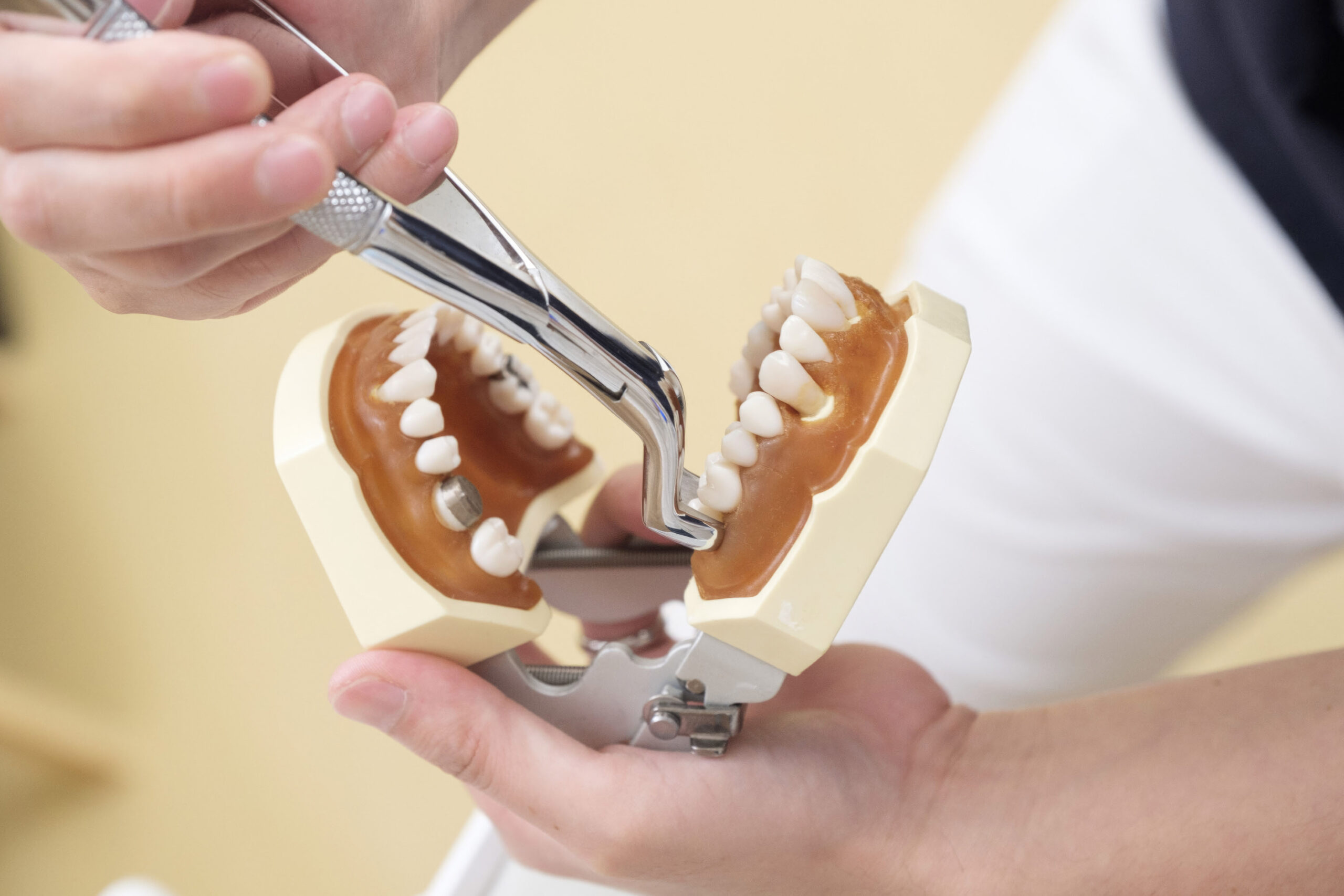
A simple extraction: is performed on a tooth that has fully erupted above the gum line and has a straightforward root structure. The area is numbed with local anesthesia, so you feel no pain. The dentist uses an elevator to gently loosen the tooth, then removes it with forceps. Most simple extractions take under 30 minutes from start to finish. You’ll feel pressure that’s normal, but not pain.
A surgical extraction: is used when a tooth is broken at the gum line, has curved or fused roots, or hasn’t fully erupted through the gum, as is often the case with wisdom teeth. A small incision may be made in the gum tissue, and the tooth may be removed in sections to simplify the process. Despite what the word “surgical” might suggest, this is still a common outpatient procedure done right in the dental chair. Sedation options are available if anxiety is a concern.
Both types are far less dramatic in practice than they sound on paper. Approximately 5 million wisdom teeth alone are extracted in the United States every year, making this one of the most commonly performed dental procedures and the vast majority of patients recover without any complications.
What Actually Happens During the Procedure
One of the biggest sources of tooth extraction pain anxiety is not knowing what’s coming. Here’s a simple breakdown of what the procedure actually looks like:
- Numbing the area: A local anesthetic is applied to completely numb the tooth and surrounding tissue. You may feel a brief sting from the injection, but after that, the area is fully numb.
- Loosening the tooth: The dentist uses an elevator tool to gently rock the tooth back and forth, widening the socket so the tooth can be removed. You’ll feel pressure here, but not pain.
- Removal: The tooth is lifted out, sometimes in one piece (simple) or in sections (surgical). The entire removal portion often takes just a few minutes once the anesthesia has taken effect.
- Gauze placement: Gauze is placed over the socket, and you’ll be asked to bite down gently. This controls any bleeding and begins the clotting process.
Most patients are in and out of the chair in well under an hour. You stay awake and comfortable throughout.
If you’re looking for tooth extractions in Nashua that are handled with care and precision, Nashua Smile Makers offers exactly that environment.
Tooth Extraction Recovery: What to Expect
The first 24 to 48 hours involve the most soreness and swelling; that’s when the body does the bulk of its early healing work. Here’s how to get through it comfortably:
- Cold compresses: Apply an ice pack to the outside of your cheek for 15–20 minutes at a time during the first day to reduce swelling.
- Pain management: Over-the-counter options are usually all that’s needed. Your dentist may prescribe something stronger if the procedure was more involved.
- What to eat after tooth extraction: Stick to soft foods like yogurt, scrambled eggs, mashed potatoes, applesauce, and soup for the first few days. Avoid hard, crunchy, or chewy foods that could disturb the clot.
- Protect the clot: Avoid using straws, smoking, and vigorous rinsing for at least 24 hours after the procedure. The blood clot that forms in the socket is what allows the area to heal properly.
- Rest: Keep your head elevated and avoid strenuous activity for the first day or two.
Most patients feel back to normal within three to four days after a simple procedure. A more involved surgical removal may take up to a week. Following tooth extraction aftercare instructions closely makes a real difference in how quickly you bounce back.
What About Dry Sockets?
Dry socket is one of the most commonly searched terms after a tooth is removed, and it’s worth addressing directly. Dry socket symptoms occur when the blood clot in the extraction socket becomes dislodged or dissolves before the area has healed. This exposes the underlying bone and nerve endings to air, food, and fluids.
It happens in roughly 5 percent of cases. The main signal is a sharp increase in pain starting a few days after the procedure, sometimes accompanied by a bad taste or odor. If you notice this, call your dentist promptly. It’s treatable and nothing to panic about, but the sooner it’s addressed, the more comfortable you’ll be.
The best prevention is simple: follow your aftercare instructions, especially the ones about avoiding straws, smoking, and vigorous rinsing in the first 24 hours.
Replacing a Pulled Tooth
Once the extraction site has healed, replacing a pulled tooth becomes the next conversation except in cases where wisdom teeth are removed, since those don’t need to be replaced.
For other teeth, leaving a gap long-term can cause the surrounding teeth to shift and affect your bite over time. The most common replacement options include dental implants (a permanent, natural-looking solution that integrates with the jawbone), dental bridges (which anchor a replacement tooth between two existing teeth), and partial dentures. Your dentist will walk you through what makes sense for your situation, timeline, and budget.
The conversation about replacement usually doesn’t need to happen right away. Give yourself time to heal first. A trusted dentist in Nashua will make sure you understand all your options before any decisions are made.
How Long Does Extraction Take?
This is one of the first questions most patients ask. How long does extraction take? The honest answer is, it depends on the tooth, but not as long as most people fear.
A straightforward single-tooth removal often takes 20 to 40 minutes in the chair, including time for numbing. A more involved surgical procedure may take a bit longer. Wisdom tooth removal, especially when multiple teeth are removed at once, can take up to an hour. What matters most is that the time is spent ensuring the area is fully numb and that the tooth comes out cleanly.
Stop Waiting on Tooth Pain – Relief Is Closer Than You Think
A problem tooth doesn’t get better on its own. The pain, the infection risk, and the impact on neighboring teeth tend to grow over time, and so does the anxiety that comes with avoiding treatment.
Here’s what most patients say after the fact: it was much easier than they expected. The procedure itself was quick and far more comfortable than the tooth pain they’d been living with.
If you’re in the Nashua area and you’ve been sitting on a tooth that needs attention, now is a good time to make the call. At Nashua Smile Makers, we take the time to explain every step, answer every question, and make sure you feel ready before we begin. Visit our dental office in Nashua or call us at (603) 882-3727 to schedule your appointment.
Frequently Asked Questions
Q: Do I need a tooth pulled, or is there another option?
Extraction is typically a last resort. If there are options like a crown, root canal, or filling that can save your tooth, those will be considered first. The decision to remove a tooth is always based on what’s best for your overall oral health, and your dentist will walk you through every alternative before recommending removal.
Q: Will I be in pain during the procedure?
You should feel no pain during the procedure itself. Local anesthesia numbs the area completely. Most patients feel pressure and movement, but no sharp or shooting pain. If you feel any discomfort during the procedure, let your dentist know immediately, additional anesthesia can be administered.
Q: How do I know if I have a dry socket?
Dry socket typically presents as a sharp, worsening pain 2 to 4 days after removal, sometimes with a bad taste or smell in your mouth. If you suspect it, call your dental office promptly. It’s easily treatable and not a medical emergency, but getting it addressed quickly will make your recovery much more comfortable.
Q: What can I eat after a tooth is removed?
Soft foods are your best option for the first few days: yogurt, mashed potatoes, soup (not too hot), applesauce, scrambled eggs, and smoothies without a straw. Avoid anything hard, chewy, or crunchy until the site feels fully healed and your dentist gives you the go-ahead to resume a normal diet.
Q: How long will it take to fully heal?
For a straightforward removal, most patients feel back to normal within three to five days. For a more involved surgical procedure, it may take a week to ten days. The extraction site itself, the bone, and deeper tissues continue healing over several weeks, but day-to-day comfort usually returns quickly with proper aftercare.
Q: Do I need to replace the tooth that was removed?
It depends on which tooth was removed. Wisdom teeth generally don’t need to be replaced. For other teeth, leaving a gap long-term can allow neighboring teeth to shift and affect your bite. Implants, bridges, and partial dentures are all common options. Your dentist will recommend the right approach for your specific situation after the extraction site has healed.