76 Allds St, Nashua, NH 03060
By Nashua Smile Makers | April 7, 2026
You have been dealing with tooth pain for a day or two. It is not constant, but it keeps coming back. You have taken something for it, told yourself it will pass, and gone on with your day. But it has not passed. Now you are here, searching at midnight, wondering if what you are feeling is actually serious or if you are just being dramatic.
You are not being dramatic. And the fact that you are asking the question already tells you something important.

Dr. Salvatore Guerriero at Nashua Smile Makers sees this exact situation regularly. Patients come in having waited two, three, sometimes five days because they were not sure their dental emergency pain was bad enough to call about. Most of them say the same thing afterward: they wish they had called sooner.
Not All Tooth Pain Feels Like an Emergency, But Some of It Is
The confusion is understandable. Tooth pain covers a wide range. Sometimes it is a sensitivity that flares up with cold food and fades in a few seconds. That kind of discomfort, while annoying, usually means your enamel needs attention but can wait for a regular appointment.
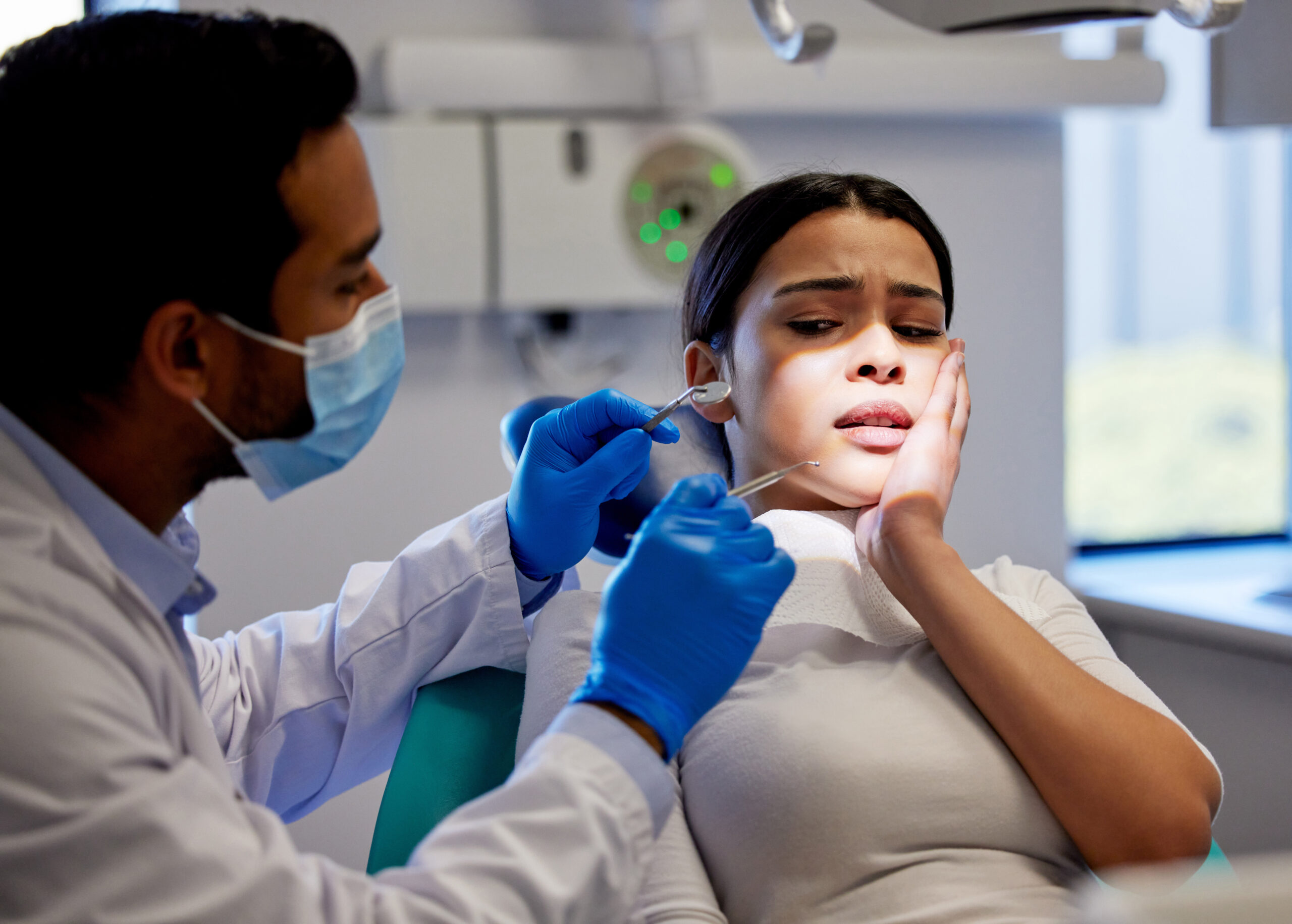
But dental emergency pain feels different. It tends to be persistent, meaning it does not go away after the trigger is removed. It may throb. It may wake you up at night. It may sit in your jaw or spread toward your ear. That kind of pain is your body signaling that something is actively wrong and getting worse.
Here is a straightforward way to think about it. Pain that is manageable, comes and goes, and does not interrupt your sleep can usually wait a day or two for a regular appointment. Pain that is constant, worsening, throbbing, or accompanied by swelling anywhere in your face or jaw should not wait.
The Signs That Mean You Need to Act Today
Some symptoms cross a clear line. If you are experiencing any of the following, this is a dental pain emergency and you should call a dentist the same day:
Swelling in your face, cheek, or jaw alongside tooth pain. This can indicate an abscess, which is a bacterial infection that does not resolve on its own and can spread rapidly.
A fever combined with tooth pain. When infection reaches this point, it is no longer contained to your mouth.
Pain so severe that over-the-counter medication is not touching it. If ibuprofen or acetaminophen is providing no relief at all, the underlying problem needs professional attention, not a higher dose.
Pain that wakes you up at night repeatedly. Dental emergency pain that disrupts sleep is a strong signal that the nerve or surrounding tissue is seriously involved.
A tooth that feels loose when it was not loose before. This can indicate bone loss from infection or trauma.
Should You Go to the Emergency Room Instead?
This is one of the most common questions people ask when they are searching for emergency dental pain relief at odd hours. The honest answer is that a hospital emergency room can help in specific situations but cannot treat the underlying dental problem.
If you have uncontrolled bleeding, facial swelling that is closing your throat or making it hard to breathe, or significant facial trauma, go to an emergency room immediately. These are life-threatening situations.
For everything else, including severe tooth pain, a visible abscess, a broken tooth, or a lost crown causing pain, an emergency dentist near me is the right call. An ER can prescribe antibiotics and pain medication to stabilize you, but they cannot remove the infection, treat the nerve, or fix the tooth. You will still need a dentist. Getting to one sooner avoids that extra step entirely.
Why Waiting Makes Dental Emergency Pain Worse
A dental infection does not pause while you decide what to do. An abscess that could have been treated with a straightforward procedure on day one can spread to the jawbone, the neck, or in rare but serious cases the airway if left alone for too long. What began as dental pain emergency territory becomes a much larger and more expensive problem.
Even pain that does not feel severe yet can be masking significant damage. Nerves under sustained pressure sometimes quiet down before they die entirely. That temporary relief is not the problem resolving. It is often a sign the situation has worsened.
For patients in Nashua searching for the fastest emergency dental pain relief services, the best first step is always a phone call. Most practices can assess your situation over the phone and tell you whether you need to come in the same day. You do not need to diagnose yourself first. That is what the call is for.
What to Do While You Wait for Your Appointment
If you have called and are waiting to be seen, a few things can help manage the discomfort. Rinse gently with warm salt water to reduce bacteria around the painful area. Apply a cold pack to the outside of your face for short intervals to reduce swelling. Take ibuprofen as directed if you are able to. Avoid very hot, very cold, or hard foods that aggravate the area. Keep your head elevated when resting, lying flat can increase pressure and worsen throbbing.
None of these steps fix the underlying problem. They are only meant to get you through the hours until you are seen. They are not a reason to delay calling.
For anyone in Nashua or a surrounding community searching for a dentist in Nashua who handles urgent cases, Nashua Smile Makers has treated patients in this exact situation many times. The first step is simply calling and describing what you are feeling. From there, the team will tell you exactly what to do next.
You Have Been Patient Enough, It Is Time to Make the Call
If you have been sitting with tooth pain and telling yourself it can probably wait, this is the sign to make the call. The first step is just a conversation. Dr. Salvatore Guerriero and the team at Nashua Smile Makers will listen to what you are experiencing, help you understand what is happening, and get you seen as quickly as possible. We are proudly serving Nashua and the surrounding areas. Book your appointment today.
Frequently Asked Questions
How do I know if my tooth pain is a dental emergency?
If your pain is constant, throbbing, keeping you up at night, or accompanied by swelling, fever, or a bad taste in your mouth, it should be treated as a dental pain emergency. When in doubt, call your dentist and describe your symptoms. They can tell you whether you need same-day care.
Should I go to the emergency room for dental pain?
Only if you have uncontrolled bleeding, swelling that is affecting your ability to breathe or swallow, or facial trauma. For all other dental pain situations, an emergency dentist is the right call. An emergency room for dental pain can stabilize you but cannot treat the tooth itself.
Can dental emergency pain go away on its own?
In rare cases, mild dental discomfort resolves on its own. But dental emergency pain, especially pain from an infection or abscess, does not. Waiting for it to disappear on its own risks the infection spreading and the treatment becoming significantly more involved.
What is the fastest way to get emergency dental pain relief?
Call a dental practice that handles same-day urgent cases and describe your symptoms clearly. In the meantime, warm salt water rinses, cold compresses, and ibuprofen can offer temporary relief while you wait for your appointment.