76 Allds St, Nashua, NH 03060
By Nashua Smile Makers | August 11, 2026
Patients started asking about this maybe two years ago. Now it comes up almost weekly.
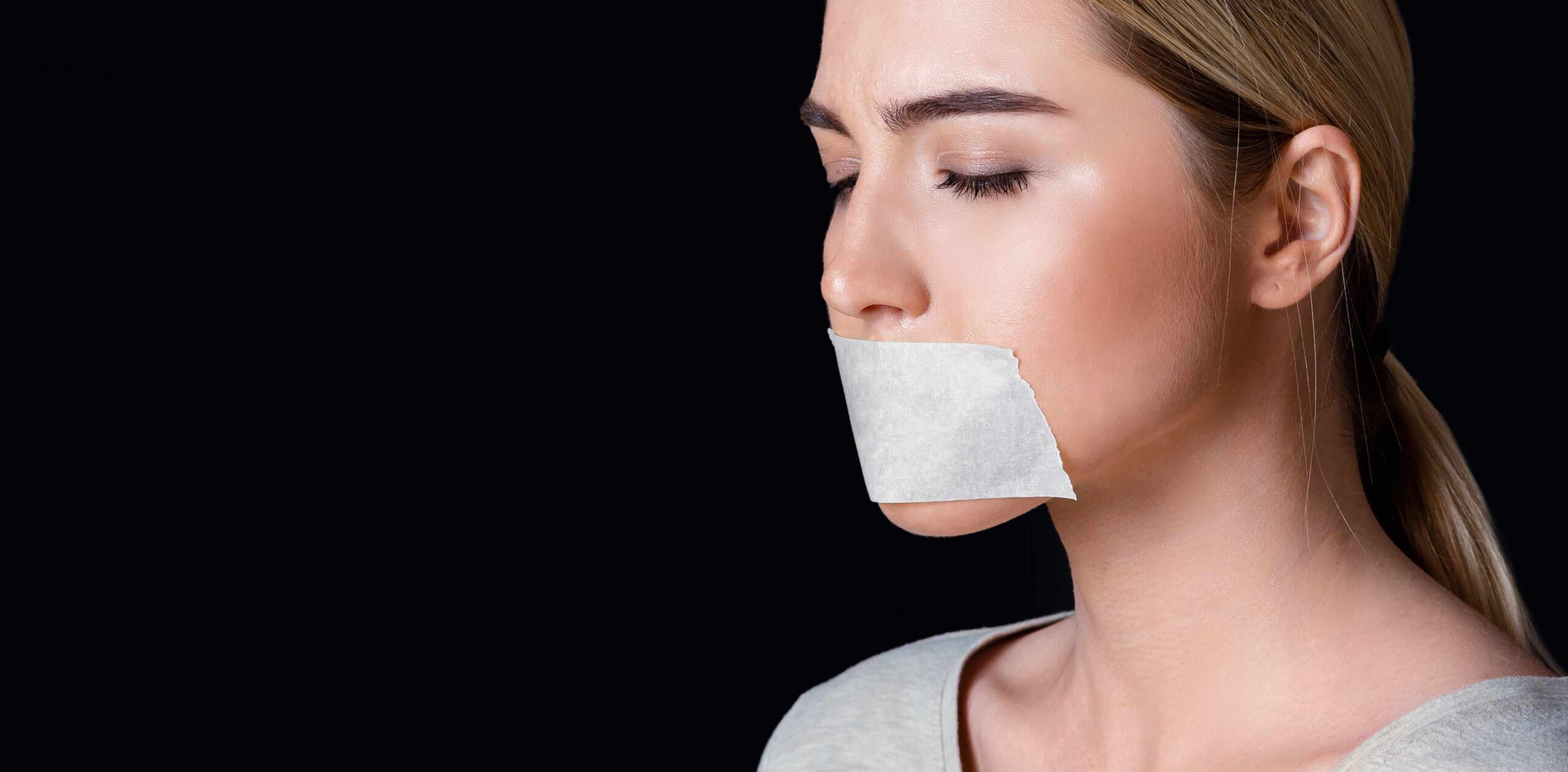
Someone saw a video. A strip of tape across the lips, a claim about forcing nasal breathing, before-and-after testimonials. It looks harmless, and it costs about eight dollars.
Here’s my honest answer, and it has two parts. The first is the risk everyone mentions. The second is the one almost nobody does, and I think it’s the bigger problem.
What the Research Actually Found
In May 2025, a team of ear, nose, and throat surgeons published a systematic review in PLOS One looking specifically at this trend.
They screened 120 articles and found 10 that met their criteria, covering roughly 213 patients. The results:
- Only two studies showed a statistically significant improvement in sleep apnea markers like AHI or oxygen levels
- The rest showed no meaningful difference
- Four studies raised safety concerns, including asphyxiation risk in people who can’t breathe through their nose
- All 10 studies were rated low quality, mostly due to tiny sample sizes
And here’s the detail that should stop you cold: many of those studies deliberately excluded anyone with nasal obstruction.
Think about what that means. The evidence base was built on people who could already breathe fine through their nose, and it excluded the exact people most likely to reach for tape in the first place. The authors’ conclusion was blunt: existing evidence does not support nighttime mouth taping as a treatment for sleep-disordered breathing.
There was one narrow positive signal. A small 2022 study of 20 mouth-breathers with mild sleep apnea, all confirmed nasal breathers, found 65% responded well, with median AHI dropping from 8.3 to 4.7. Twenty people, no sham control, mild cases only. That’s a hypothesis, not a green light.
The Risk Everyone Talks About
Your mouth is your backup airway.
If your nose closes overnight from allergies, a cold, a deviated septum, or plain congestion, and your mouth is sealed shut, you have no second option. That’s the asphyxiation concern in plain language, and it’s why the researchers used the phrase “potentially serious risk of harm.”
The Risk Almost Nobody Talks About
Mouth taping can make snoring quieter without changing a single thing about what’s happening in your airway.
Snoring is an alarm. It’s usually the reason a spouse elbows someone in the ribs and says, “You stopped breathing again, please get that checked.” Roughly 94% of people with obstructive sleep apnea snore. That noise is often the only symptom anyone notices.
Now consider the backdrop. Around 30 million American adults have obstructive sleep apnea, and an estimated 80% are undiagnosed. Untreated OSA is associated with roughly twice the risk of all-cause mortality and shows up in 40% to 80% of patients with hypertension, heart failure, coronary artery disease, or stroke.
So when someone tapes their mouth, sleeps a little quieter, and their partner stops complaining, the tape hasn’t fixed anything. It muffled the one signal that would have sent them for a sleep study.
That’s not a small thing. That’s years of untreated airway collapse with a piece of tape over the warning light.
Why Nashua Winters Make This Worse
From November through March, most homes around here run forced hot air, and indoor humidity drops hard. Dry nasal passages swell and congest. We already see this with our CPAP patients, who tell us every winter that the mask gets harder to tolerate once the heat kicks on.
Layer mouth taping onto a dry January bedroom in Nashua with a nose that’s already stuffy, and you’ve built the precise scenario the research warns about.
Spring and fall aren’t much better. Anyone who’s driven Route 3 in May with the windows down knows what pollen season does to your sinuses.
Speaking of that drive: untreated sleep apnea raises crash risk, and a lot of our patients commute to Boston or Manchester in the dark. That’s worth factoring in.
What Actually Helps
Get tested before you experiment. Home sleep tests are simple now, and diagnosis comes from a physician or sleep specialist, not from a dentist and definitely not from a video.
If your nose is the problem, treat the nose. Allergy management, a humidifier through the winter, or an ENT evaluation for structural blockage all address the cause rather than sealing over it.
If you’re diagnosed with mild to moderate OSA, or you can’t tolerate CPAP, oral appliance therapy is a well-established option. A custom device holds the jaw forward to keep the airway open, and follow-up testing confirms whether it’s actually working. We walk through the options in more detail in our post on choosing a sleep apnea treatment.
One more thing worth knowing: dentists often spot this first. Worn or flattened teeth from grinding, scalloped edges along the tongue, and a crowded airway are all things we see at a routine cleaning, sometimes years before anyone orders a sleep study.
We see patients from Nashua, Hudson, Merrimack, Amherst, Hollis, Litchfield, Milford, and Pelham for exactly this reason.
Schedule a consultation at our Allds Street office, or meet our doctors first.
This article is general education, not medical advice. Sleep apnea diagnosis requires evaluation by a qualified physician.
Frequently Asked Questions (FAQ’s)
Is mouth taping safe for sleep apnea?
No, a 2025 systematic review found little evidence of benefit and warned of serious asphyxiation risk for anyone who cannot breathe freely through their nose.
Does mouth taping stop snoring?
It may reduce snoring noise without treating the underlying airway obstruction, which can hide sleep apnea rather than fix it.
Who should never try mouth taping?
Anyone with nasal congestion, allergies, a deviated septum, or diagnosed or suspected sleep apnea should not tape their mouth shut.
What should I do instead of mouth taping?
Get a sleep study, treat any nasal obstruction directly, and ask about oral appliance therapy if you’re diagnosed with mild to moderate sleep apnea.
Can a dentist diagnose sleep apnea?
No, diagnosis requires a physician-ordered sleep study, though dentists often spot early warning signs like tooth wear and airway crowding.