
76 Allds St, Nashua, NH 03060
By Nashua Smile Makers | August 4, 2026
Jaw pain can make ordinary activities- eating, speaking, yawning, or getting through a workday- uncomfortable. If you regularly wake with a tight jaw, notice facial soreness, experience painful clicking, or have headaches connected to clenching, the problem may involve the temporomandibular joint (TMJ) or the muscles that control chewing.
For people researching Botox for TMJ in Nashua NH, it is important to understand what the treatment is, what it may help with, and why a proper evaluation should come before any injection. At Nashua Smile Makers, patients can receive an individualized assessment for TMJ and muscle-related orofacial pain before treatment options are discussed.
What Is TMJ Disorder?
The temporomandibular joints sit on both sides of the jaw and connect the lower jaw to the skull. Temporomandibular disorders, often shortened to TMD, can involve the joints, the chewing muscles, or both.
According to the National Institute of Dental and Craniofacial Research (NIDCR), common symptoms can include pain in the jaw joint or chewing muscles, pain that spreads to the face or neck, jaw stiffness, limited movement or locking, and painful clicking or popping. Painless joint noises alone are common and do not necessarily require treatment. Because jaw pain can have different causes, diagnosis matters. A dentist may review when the pain started, where it is located, what makes it better or worse, and whether you also experience headaches. The head, neck, face, jaw movement, and areas of tenderness may also be examined.
For a broader overview of conservative care options, read about TMJ treatment in Nashua, NH.
How Can Botox Be Used for TMJ-Related Muscle Pain?
BOTOX® is a brand of botulinum toxin type A. It temporarily reduces signaling between nerves and targeted muscles, which can decrease muscle activity for a period of time.
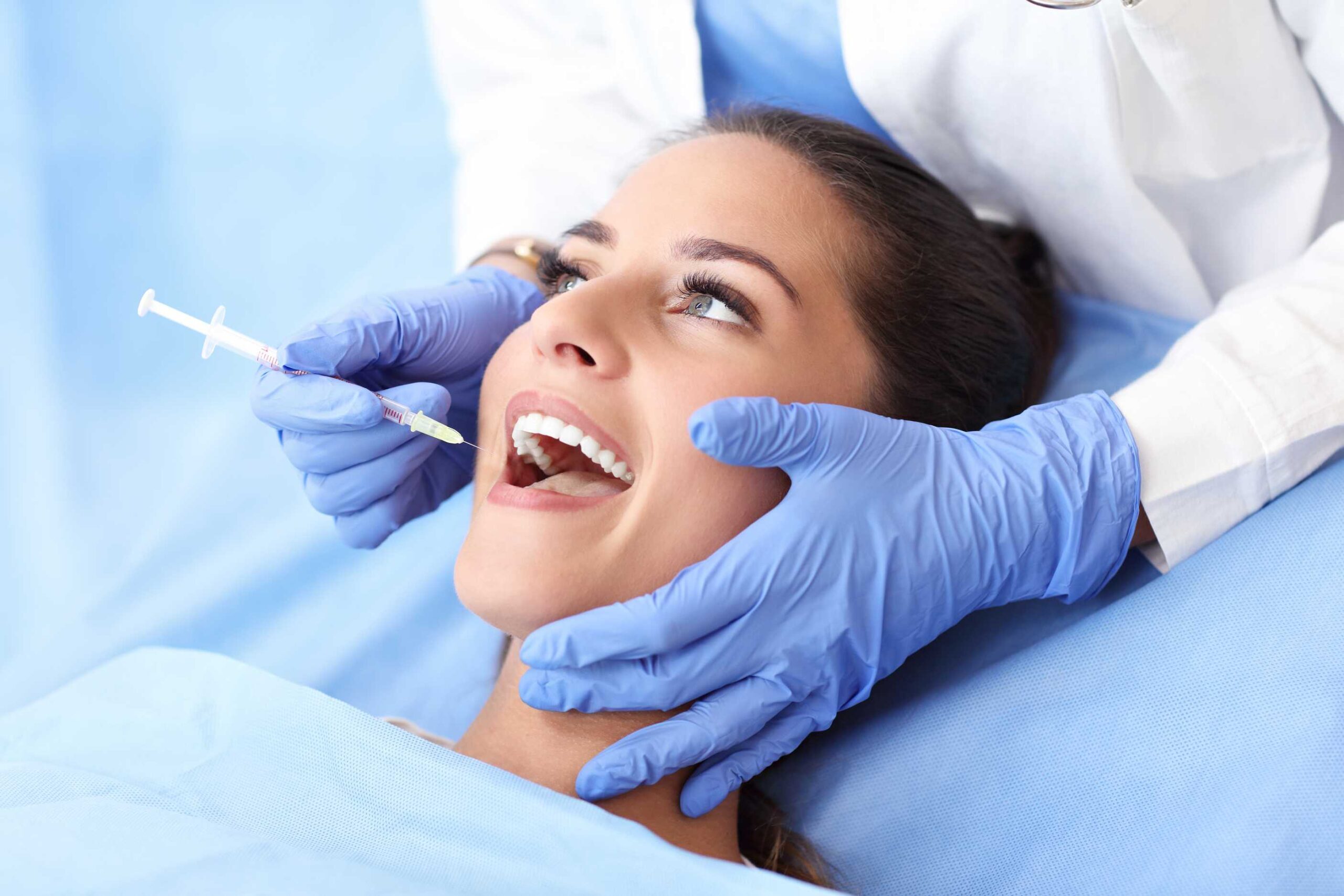
In selected patients, a clinician may consider injections into overactive chewing muscles such as the masseter or temporalis when muscle tension, clenching, or grinding appears to contribute to pain. The aim is not to treat every type of TMD, but to reduce excessive activity in specific muscles when clinically appropriate. NIDCR notes that botulinum toxin type A works by relaxing muscles and has been studied for TMD-related muscle pain.
Is Botox FDA-Approved for TMJ?
No. Botulinum toxin type A is FDA-approved for several medical uses, but TMD is not currently an FDA-approved indication. When Botox is used for TMD-related symptoms, it is considered an off-label use.
NIDCR notes that studies have examined botulinum toxin injections into chewing muscles for muscle spasm and pain. However, evidence is still limited, and it is not clear how well the treatment works for TMD symptoms overall.
A responsible consultation should therefore include potential benefits, limitations, alternatives, possible side effects, and the patient’s health history. Botox should not be presented as a guaranteed or permanent solution for jaw pain.
Who May Be Considered for Therapeutic Botox?
A professional evaluation is needed to determine whether Botox may fit a patient’s situation.
People seeking an evaluation may report:
- Persistent jaw muscle tightness or soreness
- Clenching or grinding, including nighttime bruxism
- Facial muscle fatigue
- Pain around the temples or jaw
- Headaches associated with jaw tension
- Discomfort when chewing
These symptoms do not automatically mean Botox is the right treatment. TMD can involve joints, muscles, headaches, or a combination of problems, and similar symptoms may have other causes.
NIDCR recommends starting with simple, reversible approaches for many TMDs. Depending on the diagnosis, these may include soft foods for a short period, heat or cold, gentle jaw exercises, reducing clenching habits, physical therapy, behavioral approaches, medications, or an intraoral appliance when appropriate.
Why Dental Evaluation Matters
TMJ symptoms involve oral health, jaw function, facial muscles, and the head and neck. A useful consultation should therefore focus on diagnosis, not simply on whether a patient wants an injection.
At Nashua Smile Makers, Dr. Salvatore Guerriero and Dr. Salvatore Colletta provide dental care in Nashua. Patients can meet our dentists to learn more about the clinicians evaluating their oral health.
During a TMJ or orofacial pain visit, tell your dentist when symptoms occur, whether you grind or clench, whether the jaw locks, and whether pain travels into the face or neck. Also mention medications, previous treatments, medical conditions, and changes in jaw movement.
Questions to Ask Before Choosing Botox for TMJ
Before proceeding, consider asking:
- What appears to be causing my jaw pain?
- Is my problem mainly muscular, joint-related, or both?
- What conservative options should I try first?
- Why might Botox be appropriate in my case?
- What are the risks and expected limitations?
- How will we evaluate whether treatment is helping?
Clear answers can help you make an informed decision and set realistic expectations.
Looking for Botox for TMJ in Nashua, NH?
Recurring jaw tension should not be self-diagnosed based only on symptoms found online. A clinical evaluation can help determine whether discomfort is related to TMD, muscle overactivity, bruxism, or another issue.
Nashua Smile Makers is located at 76 Allds St., Nashua, NH 03060. If jaw clenching, facial soreness, headaches, or painful jaw movement are affecting daily life, you can schedule an appointment to discuss your symptoms and available options.
Treatment recommendations should always be individualized. The goal is to understand the source of the problem first, then choose an appropriate and conservative path forward.
Frequently Asked Questions (FAQ’s)
Is Botox for TMJ safe?
Botox may be considered safe for suitable patients when administered by a qualified provider after proper evaluation.
How long does Botox for TMJ last?
The effects are temporary and commonly last for several months, though results vary by patient.
How soon does Botox start working for TMJ pain?
Some patients may notice improvement within days to a few weeks after treatment.
Can Botox help with jaw clenching and bruxism?
Botox may help reduce excessive activity in jaw muscles associated with clenching or grinding in selected patients.
Is Botox FDA-approved for TMJ disorders?
No, Botox use for TMJ-related symptoms is considered off-label and should be discussed with a qualified healthcare provider.
